

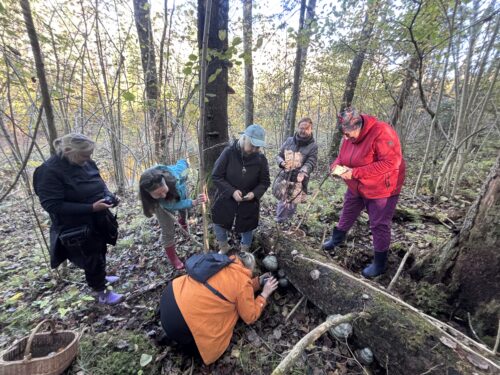
On 18 October 2026, the Latvian Mycological Society held an excursion in the “Salacas ieleja” (Salaca Valley) Nature Park. Its…

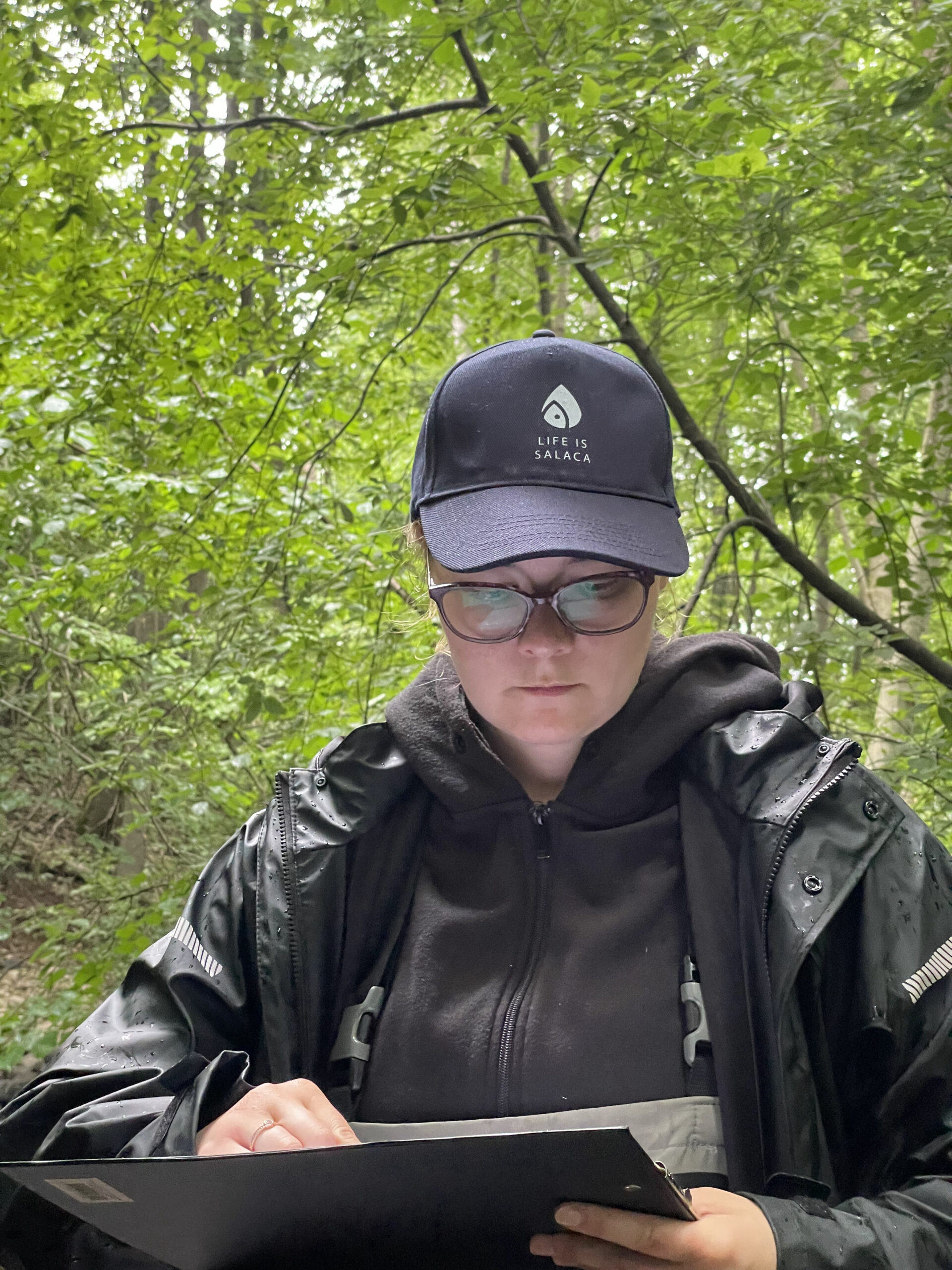
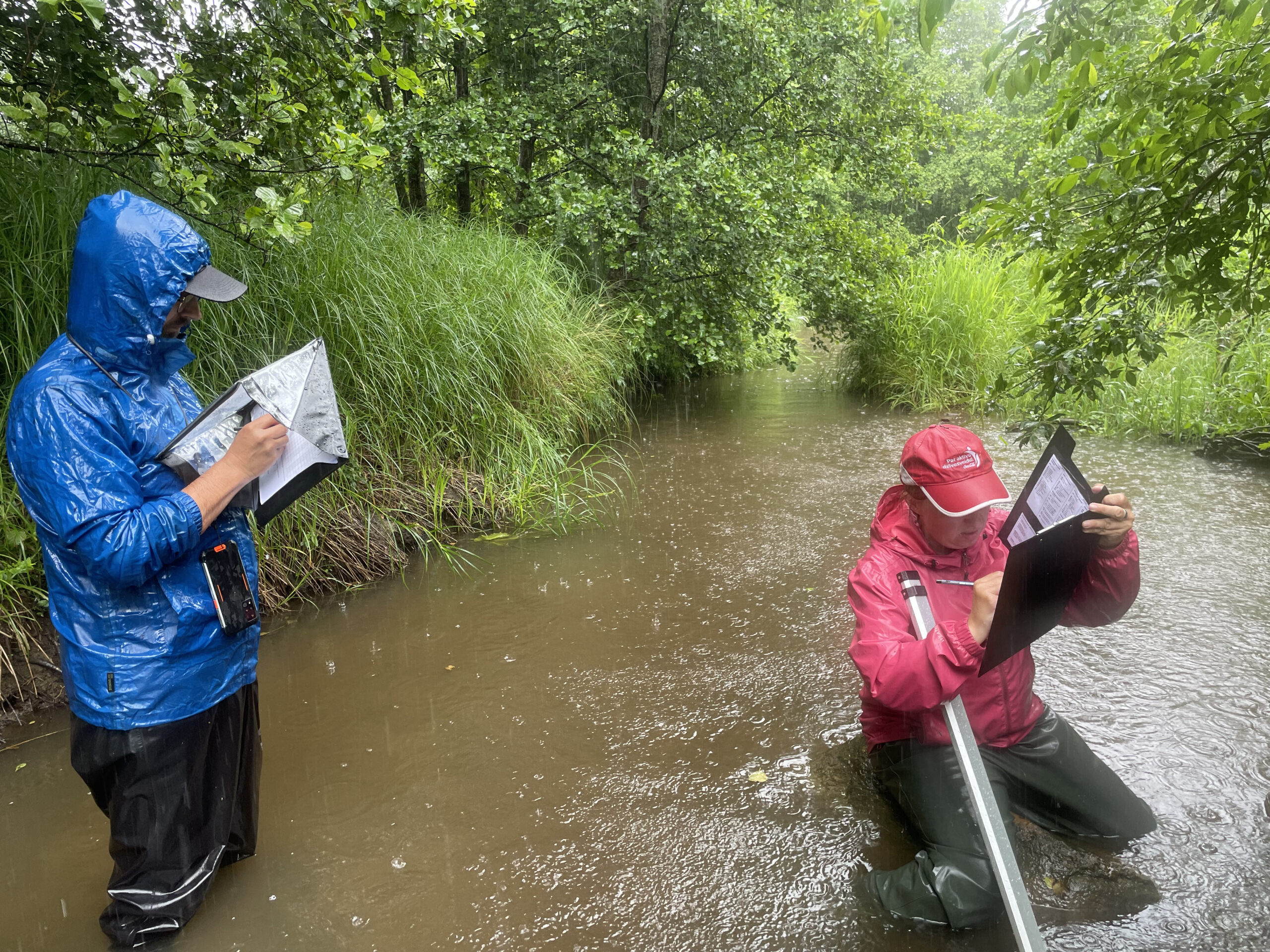
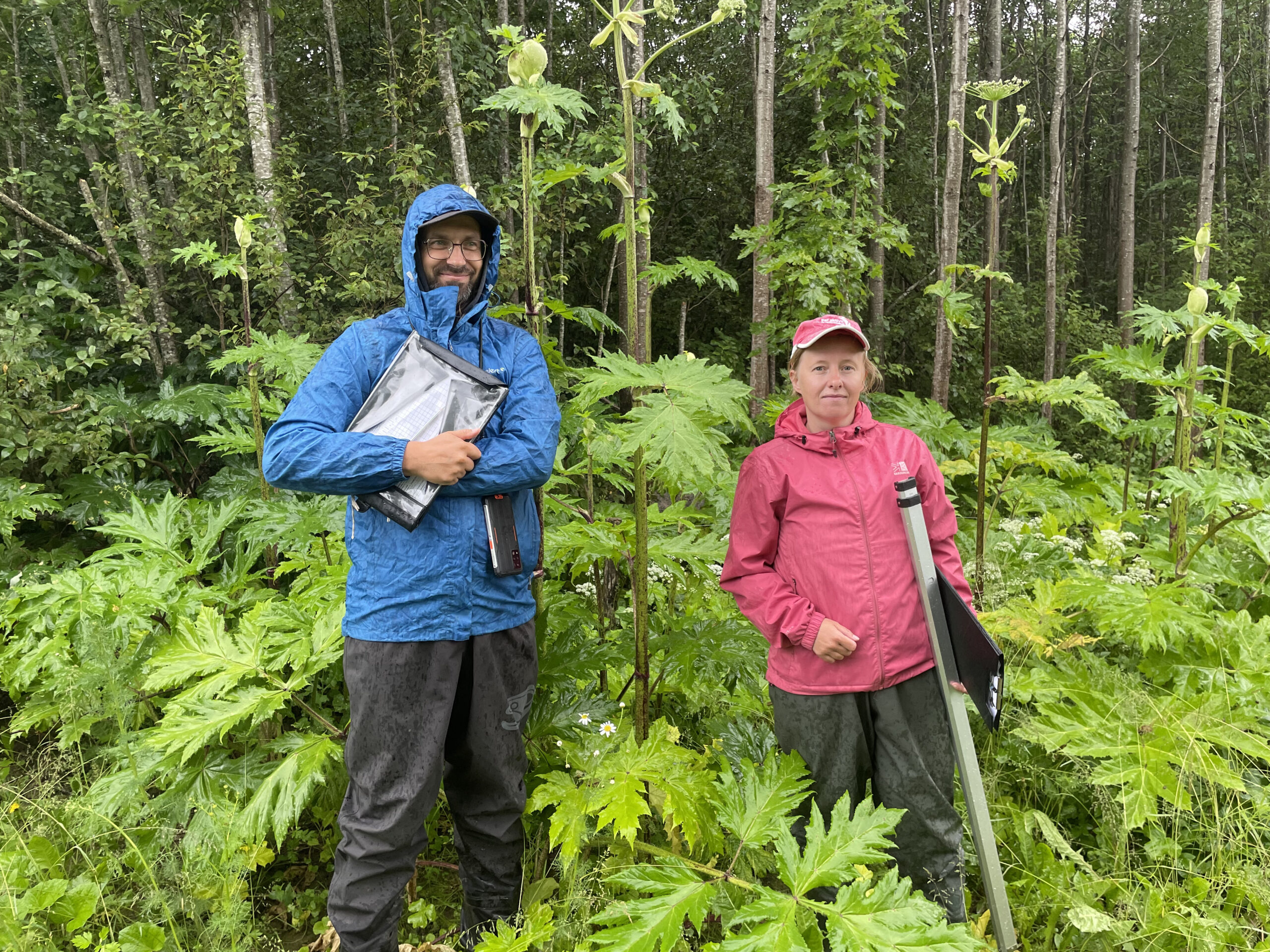
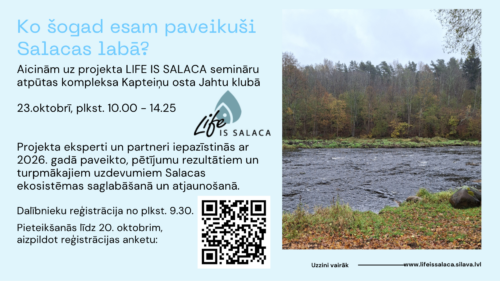
At the beginning of summer, our project experts spent 10 days on the river to study the Salaca and its tributaries together, starting extensive field research. In total, the experts walked and boated along 71 km of rivers.
This is the first time monitoring of this size and scale has taken place in the Salaca basin, and a new method for assessing ecological and habitat quality was developed for it. It was carried out jointly by Life is Salaca project experts from the Nature Conservation Agency (NCA), the Institute of Food Safety, Animal Health and Environment “BIOR” (BIOR) and the Latvian Environment, Geology and Meteorology Centre (LEGMC).
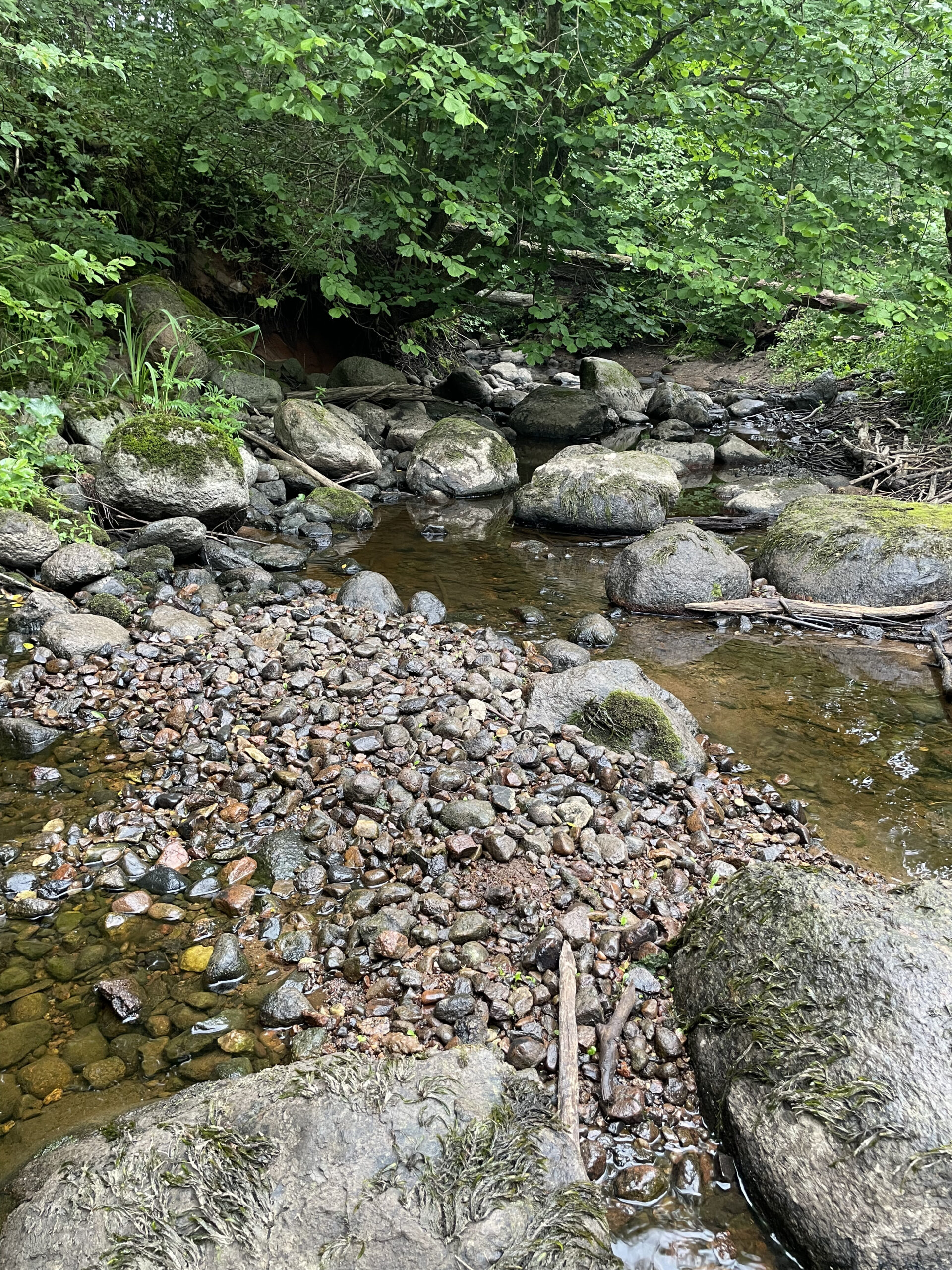
The experts surveyed several 500-metre sections of the rivers and assessed a number of features that indicate good river health. These include the condition of the riverbed and banks, the type of flow, aquatic plants, mussels and insects. Attention is also paid to special values, such as tufa deposits, boulders and outcrops.
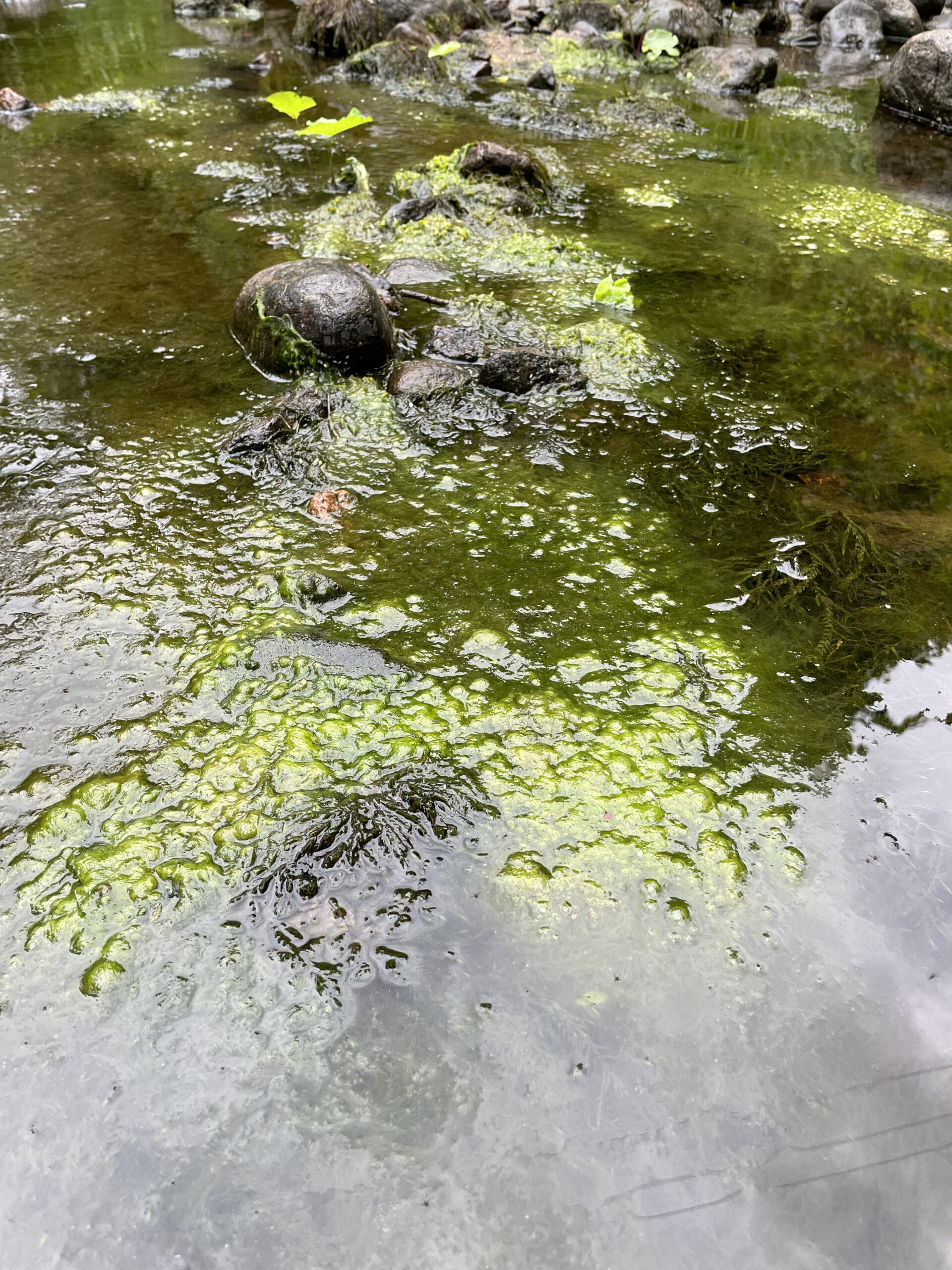
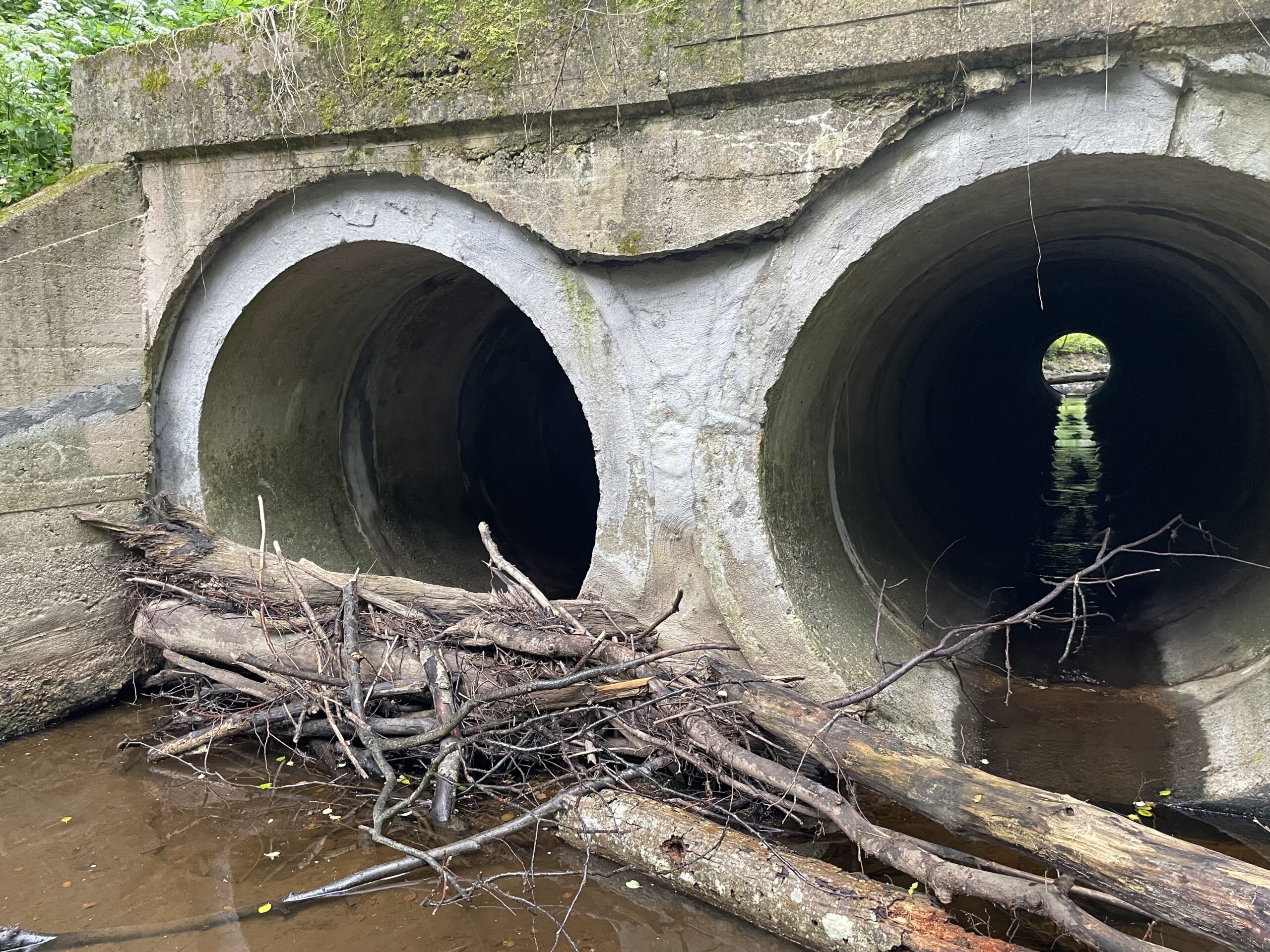
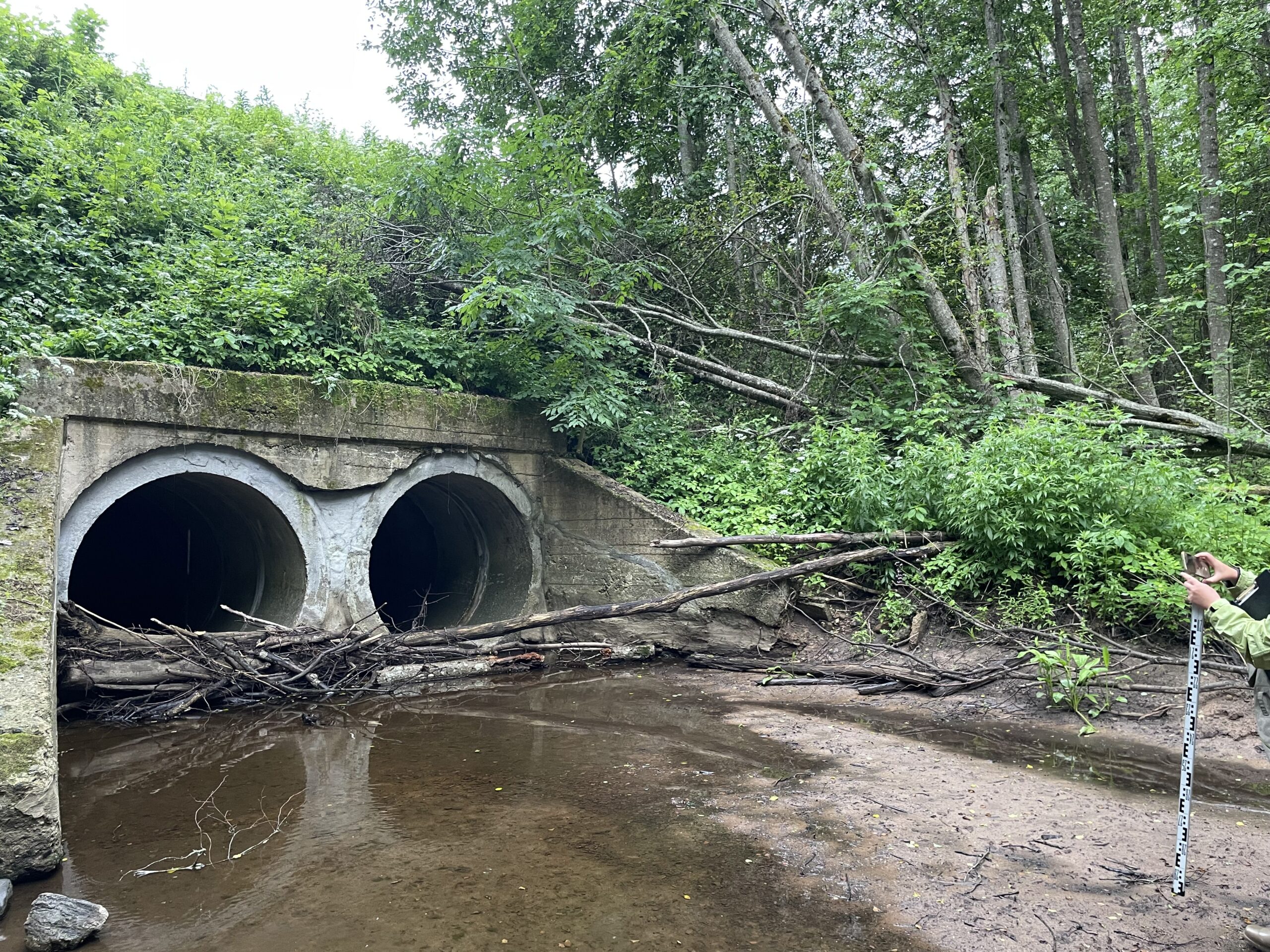
In the Pužupe section, a culvert could be seen to have a negative effect on the water flow by accumulating trees, sediments and litter, as well as hindering fish migration. Dense stands of green algae were also found.
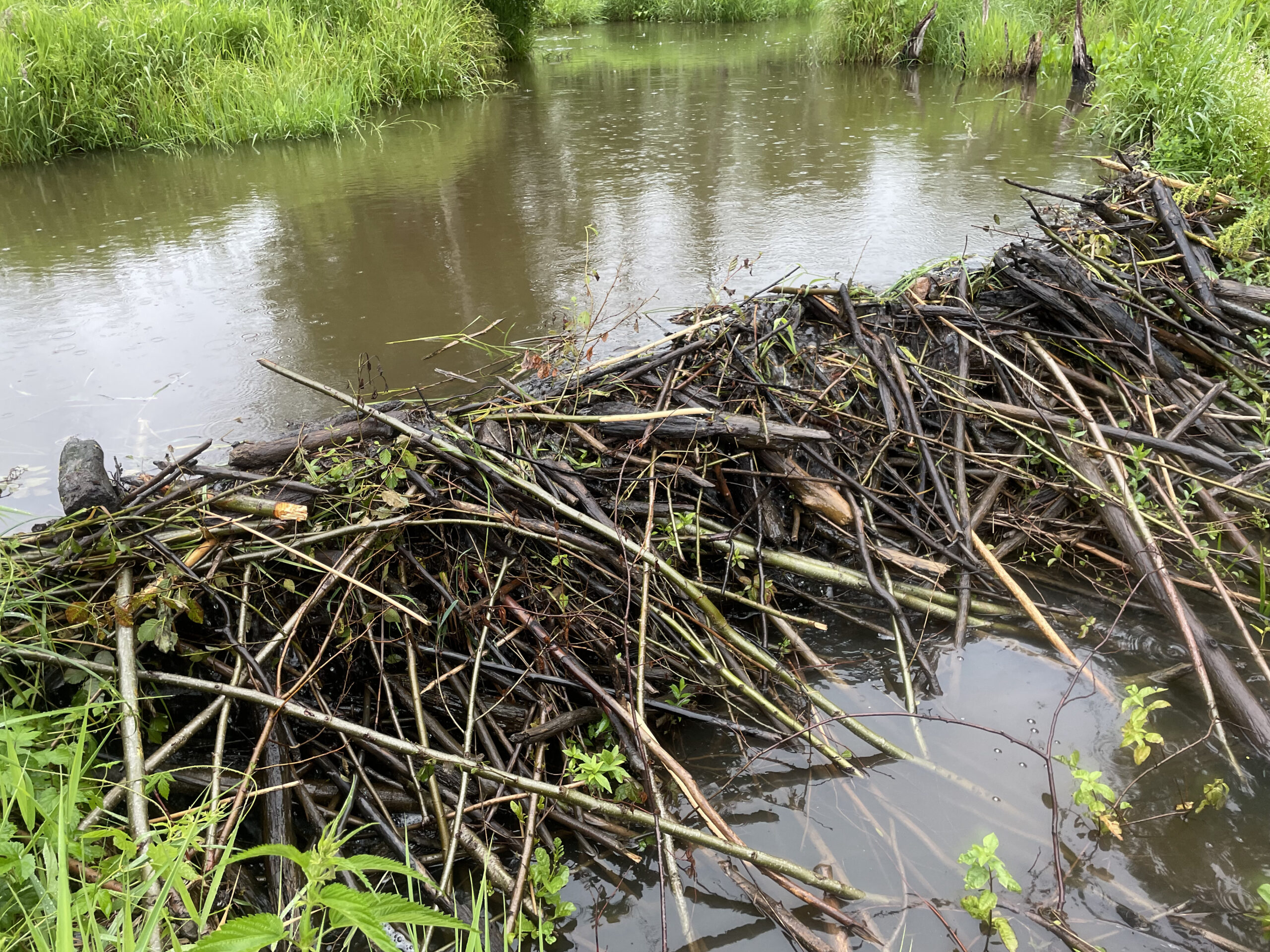
In the Korģe stream, a beautiful and natural river section was assessed, but its hydromorphological quality is not good, as beavers have built cascades and increased sedimentation was found. In this section, tufa deposits could be seen; they act as natural water purification systems, filtering pollution and sediments and providing a home for many plants, animals and microorganisms.
We will use the data obtained in the extensive field studies to assess the ecological and habitat quality of the Salaca and its tributaries, to improve river monitoring methods, to assess ecosystem services, to plan river management measures and to assess the impact and effectiveness of the measures carried out during the project.