

Join us at the LIFE…
15.10.26
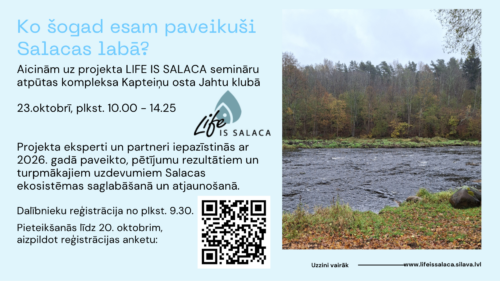
What have we achieved for the Salaca this year? 📅 23 October, 10:00–15:25 📍 Yacht Club of the “Kapteiņu osta”…
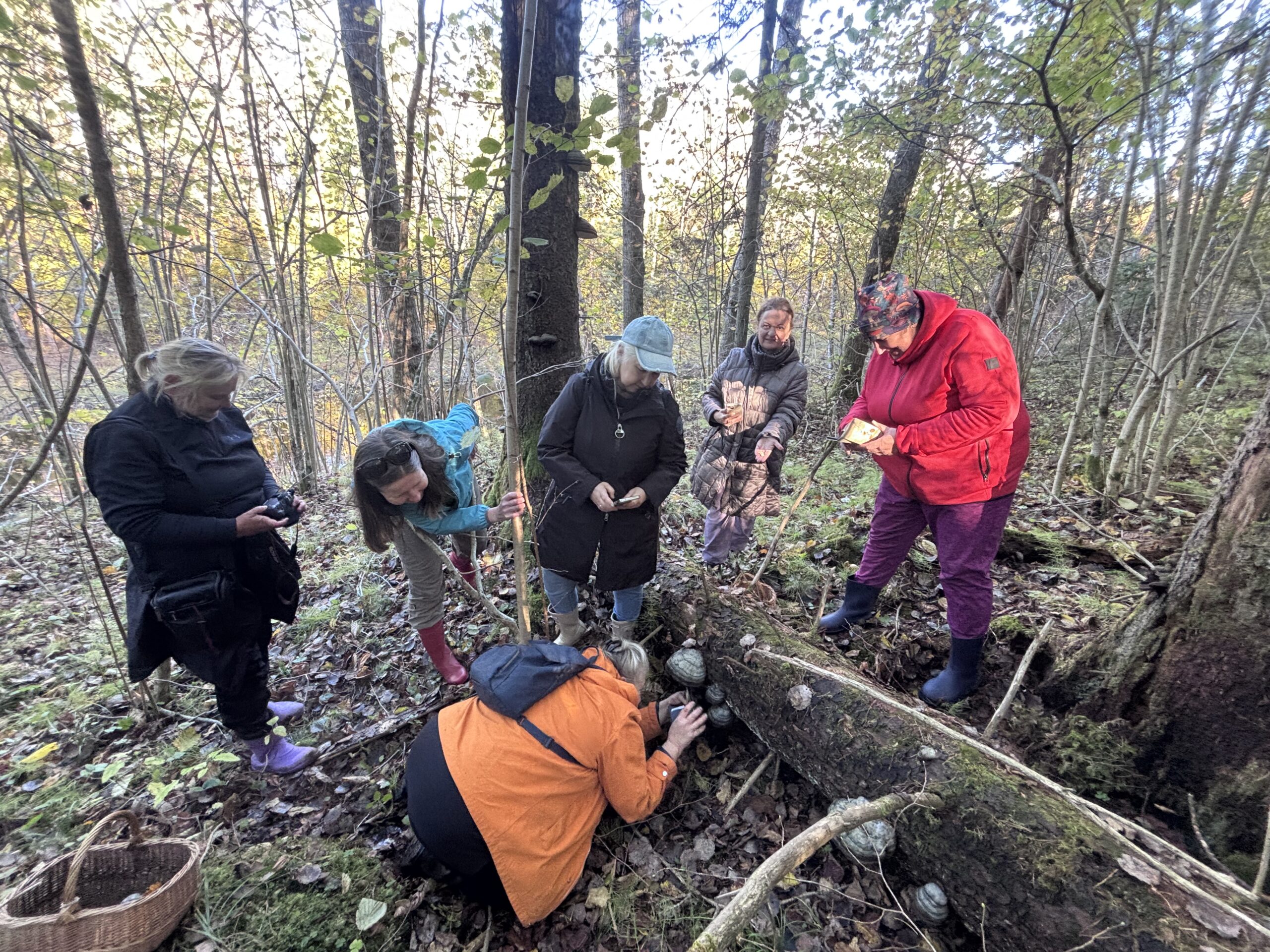
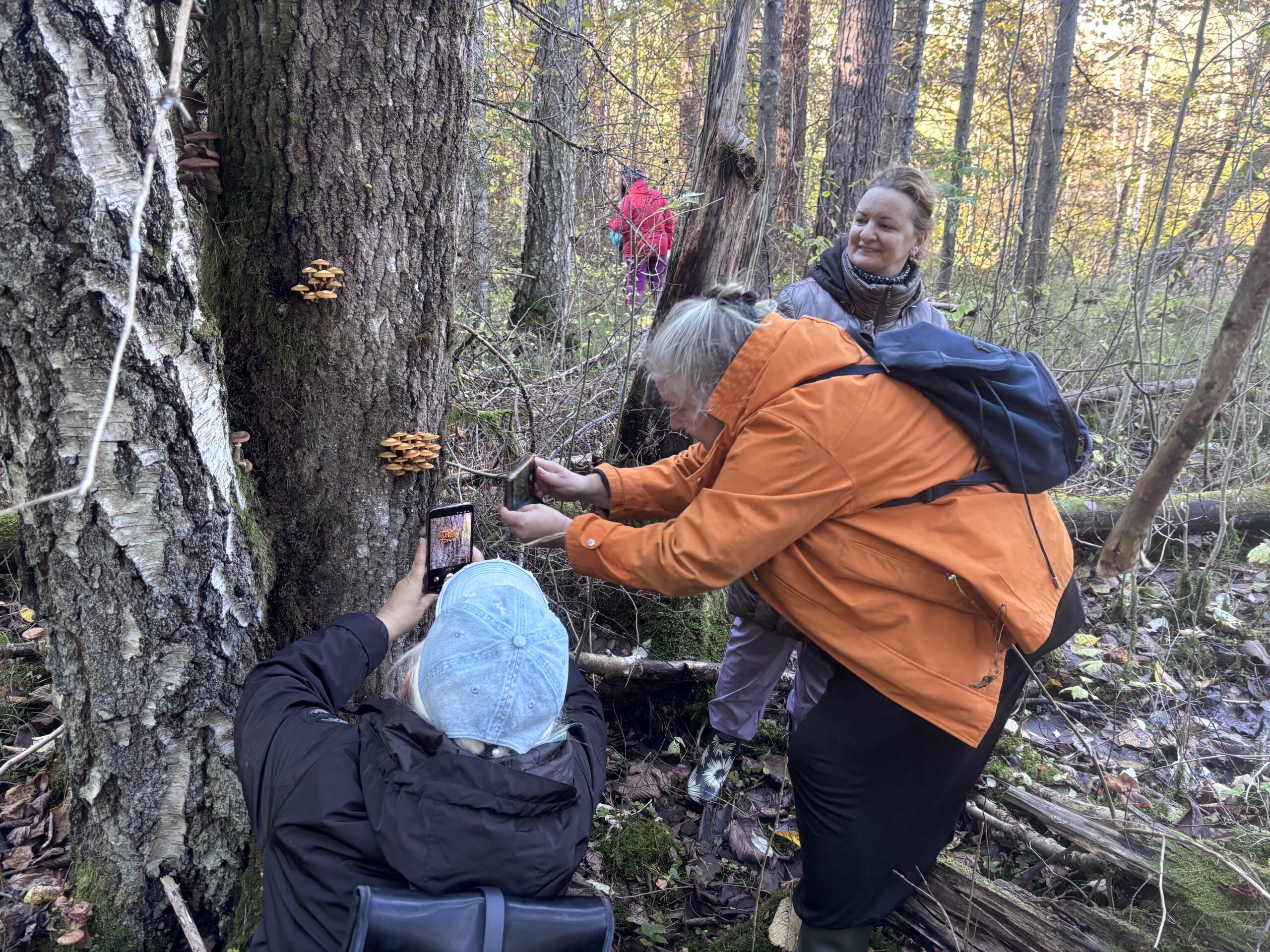
On 18 October 2026, the Latvian Mycological Society held an excursion in the “Salacas ieleja” (Salaca Valley) Nature Park. Its aim was to get to know the diversity of fungi in the Salaca valley and to search for rare fungi species in the forests around Mērnieki and along the Noriņa, a tributary of the Salaca.
Seven members of the Latvian Mycological Society took part in the excursion. It was led by Ilze Ķuze, the cryptogam expert of the LIFE IS SALACA project and herself a member of the Latvian Mycological Society. Particular attention was paid to rare fungi species that are also specialist species of natural forest habitats. The presence of these fungi reflects the diversity of forest ecosystems and highlights the importance of preserving natural forest habitats.
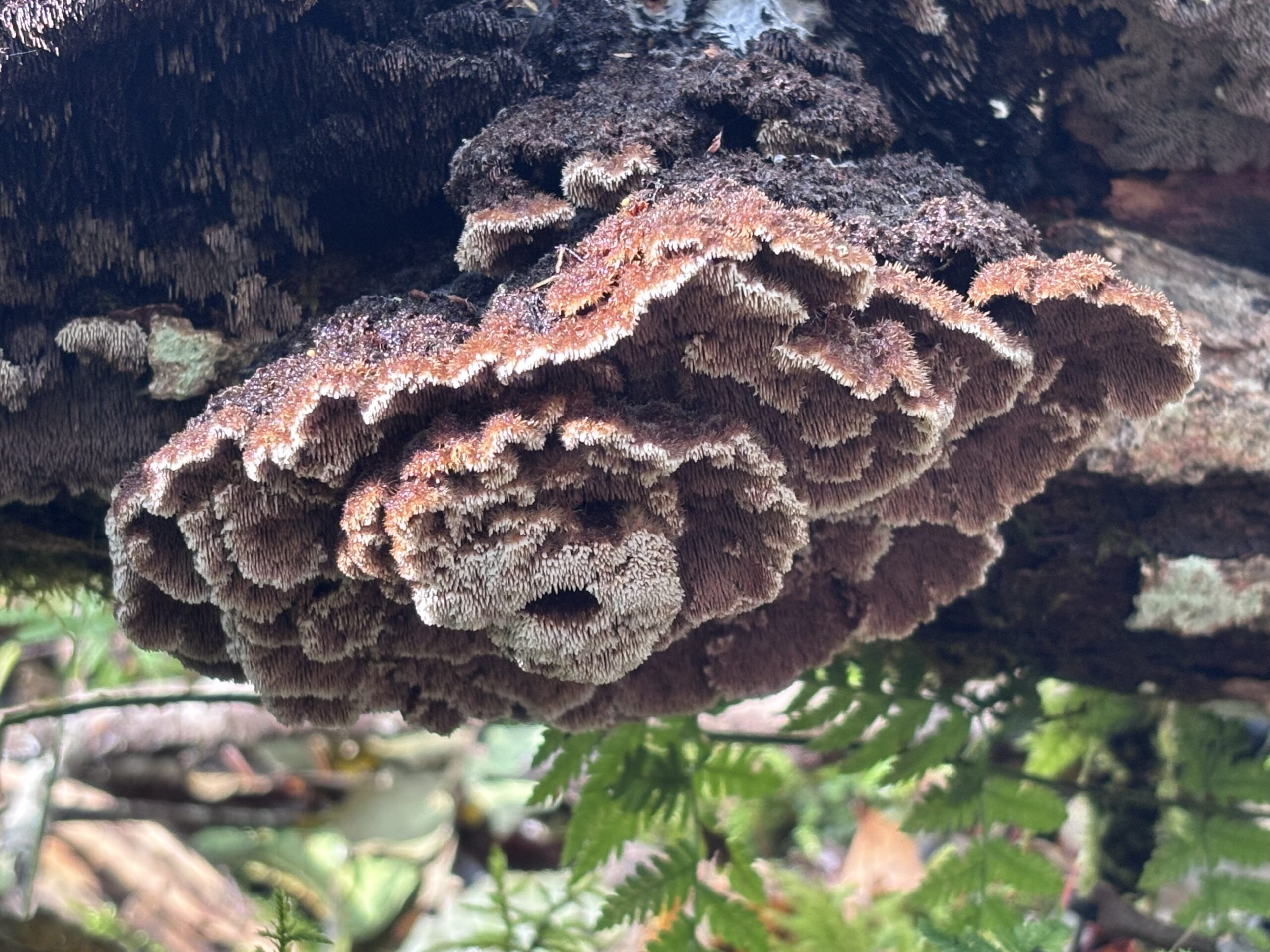
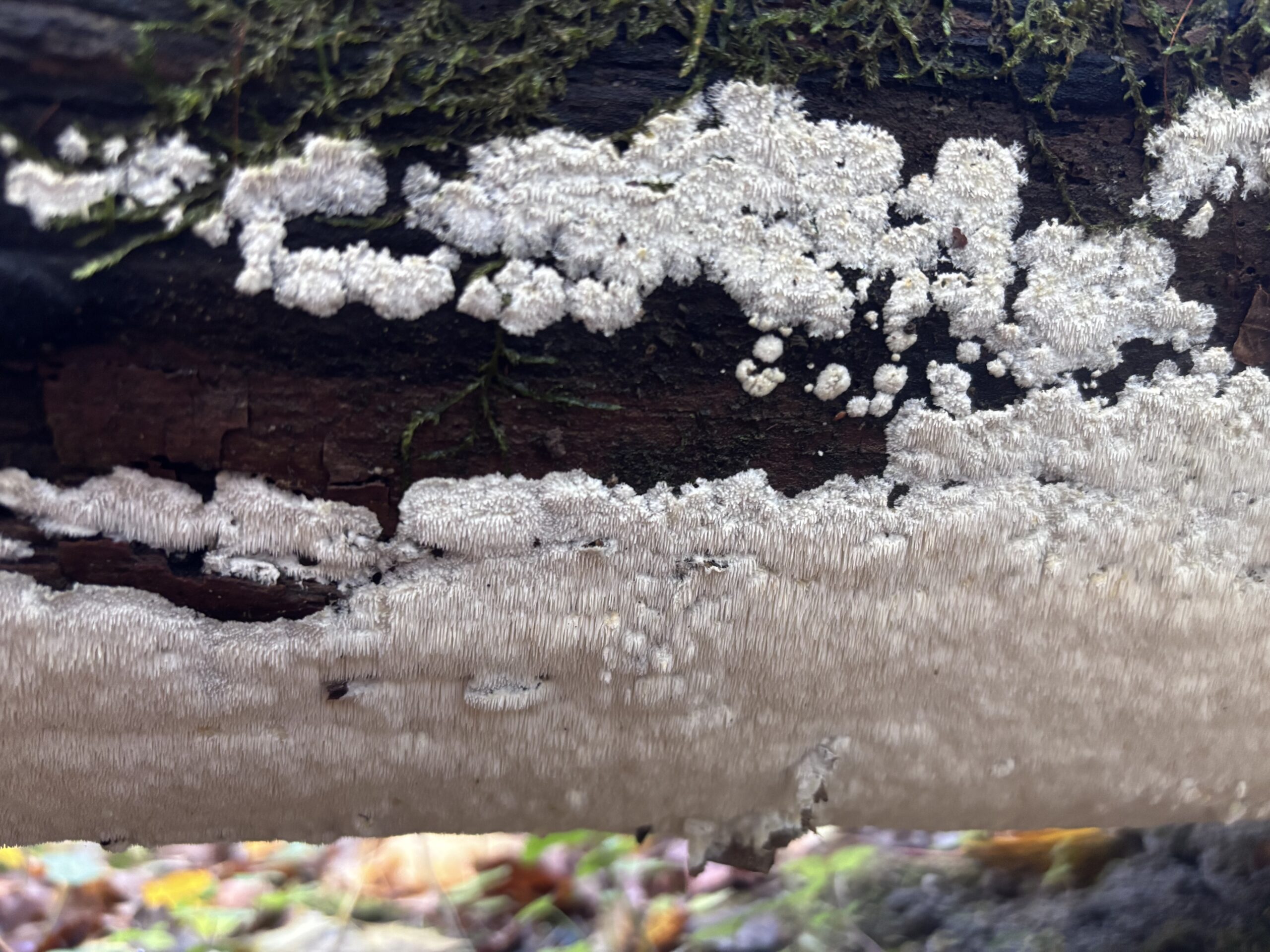
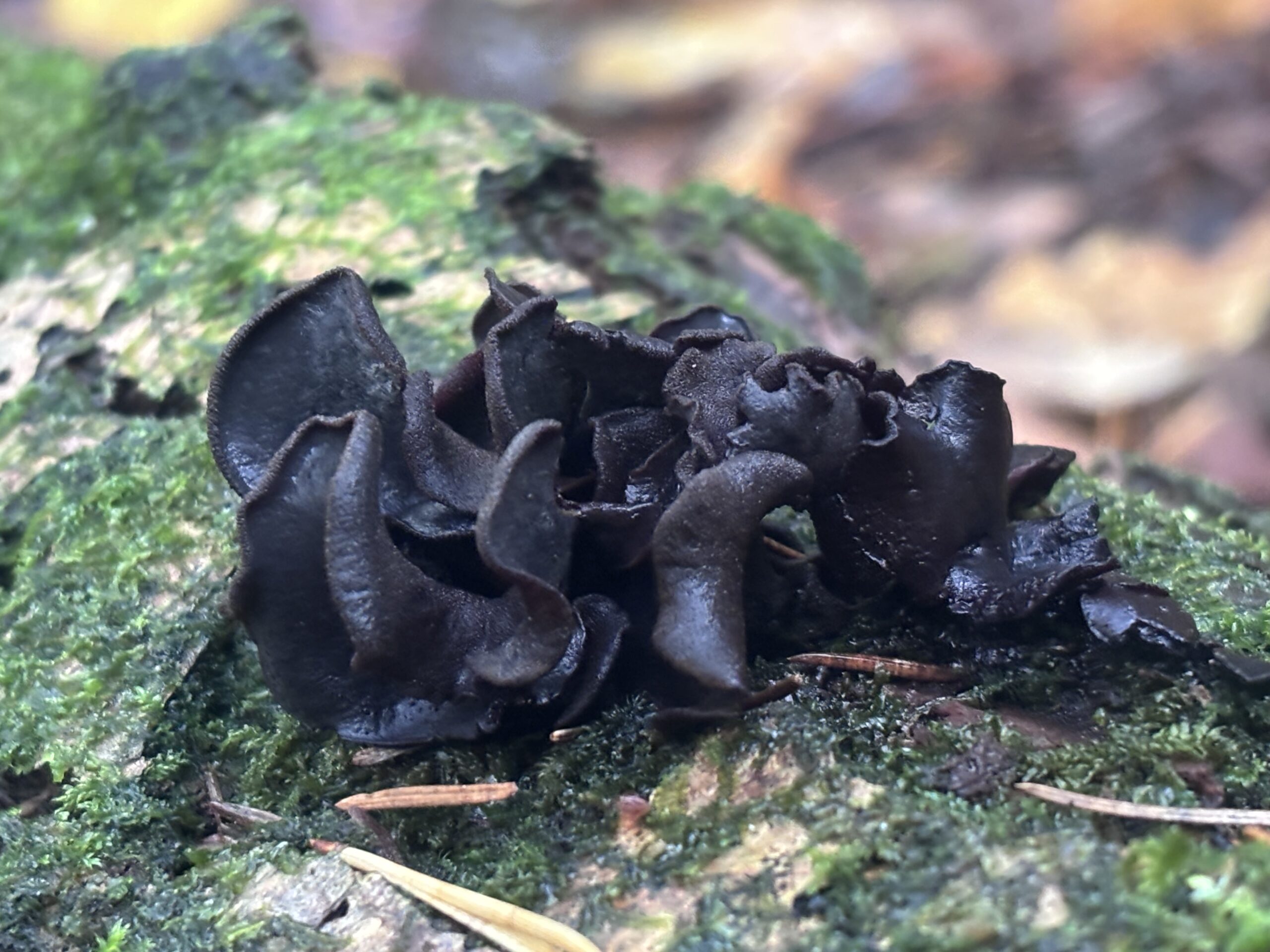
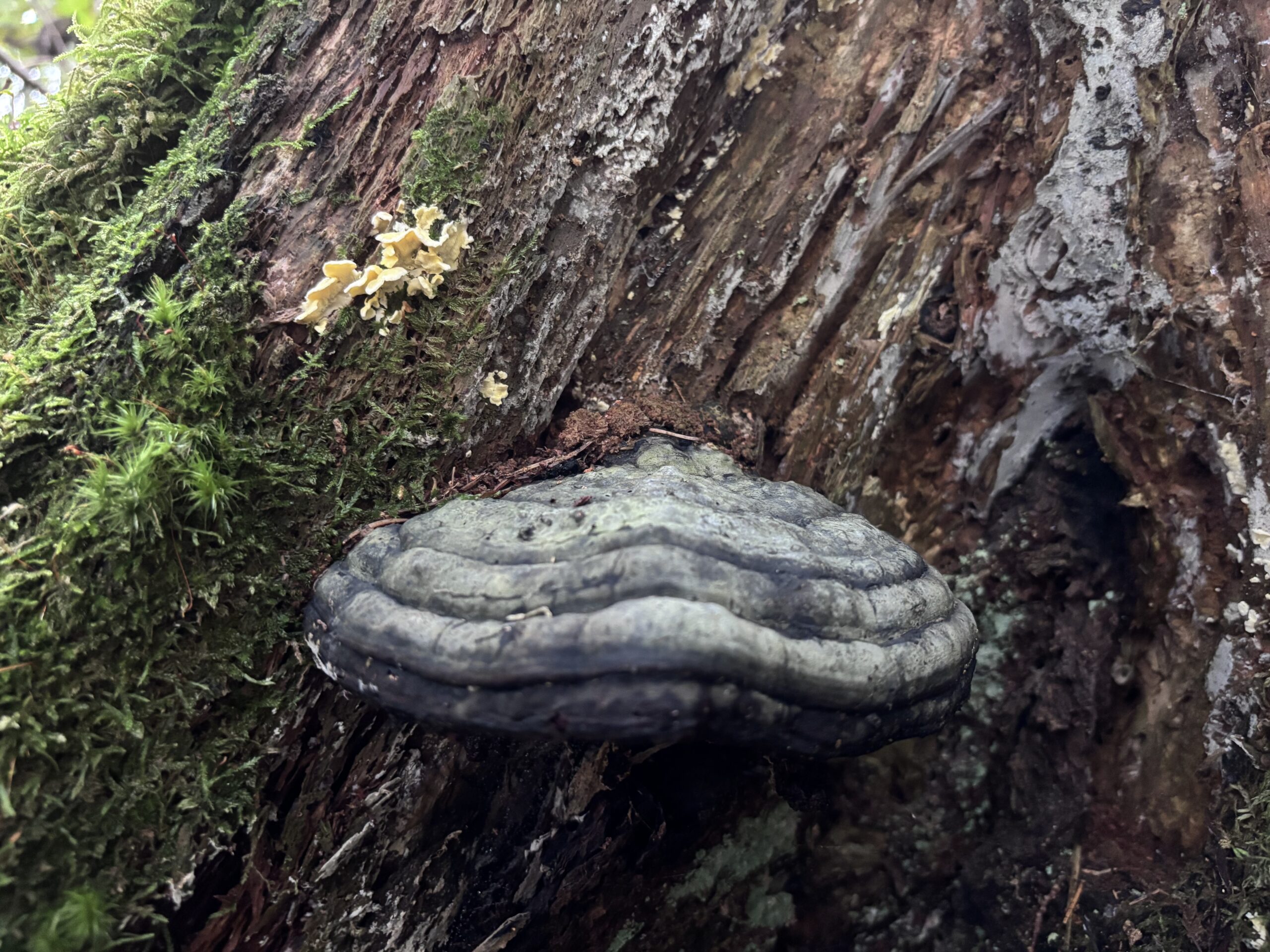
The main focus of the excursion was on four species: Gloiodon strigosus, Dentipellis fragilis, Ionomidotis irregularis and Flaviporus citrinellus. All four are assessed as vulnerable (VU) in the Red Data Book of Latvia, and their survival is closely linked to the preservation of suitable forest habitats and dead wood.
Rare fungi with special habitat requirements
Gloiodon strigosus is relatively rare in Latvia. It grows on dead deciduous wood, especially aspen, alder and goat willow, and prefers moist, old forests little affected by forestry. The species is threatened by the shrinking area of old deciduous forests and the lack of dead wood.
Dentipellis fragilis grows on dead deciduous wood and is usually found in moist, shady deciduous forests. Its fruiting body is covered with pale, fragile spines that give the species its characteristic appearance. It is threatened by the removal of fallen trees, clear-cutting and changes in the forest microclimate, which can be caused, for example, by drainage. Moist, shady forests and the dead wood in them are therefore essential for the conservation of this species.
Ionomidotis irregularis stands out with its dark blue, violet to almost black fruiting bodies, whose outer side is brownish and uneven. It grows on dead deciduous wood, including fallen alder, wych elm, European white elm and birch trees. In Latvia the species occurs in moist deciduous forests and river valleys. One of the main threats to it is the removal of dead wood from moist forests.
Flaviporus citrinellus is distinguished by its bright lemon-yellow pore surface. It is a successional species that grows on moderately to strongly decayed fallen spruce trunks, less often on the lower parts of large spruce snags and on stumps that have been decomposed by the red-belted conk Fomitopsis pinicola. It can also grow directly on old fruiting bodies of the red-belted conk. The species is threatened mainly by the shrinking area of suitable habitats – old spruce forests little affected by forestry.
Educational excursions like this help to better understand forest biodiversity, record the occurrence of rare species and draw attention to the protection of natural forest habitats. The forests of the Salaca valley and other river valleys are an important place to discover the diversity of nature and what is needed to preserve it.
Photo: Ilze Ķuze