

LIFE IS SALACA project shares…
03.11.26
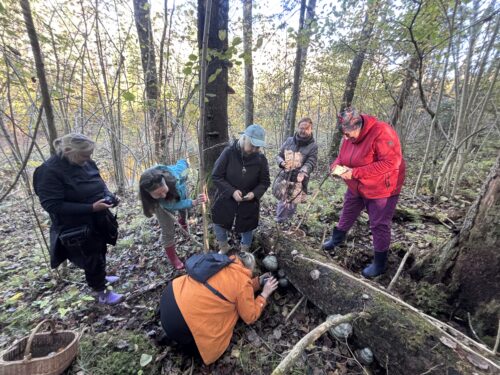
On 30 October 2026, LIFE IS SALACA project cartographer Maija Bumbiere spoke to University of Latvia Master's students in Environmental…
3 November is the International Day for Biosphere Reserves. The day draws attention to areas where protecting biodiversity goes hand in hand with people’s lives and sustainable development. In Latvia, such a special place is the North Vidzeme Biosphere Reserve, which also includes the Salaca Valley Nature Park.
The North Vidzeme Biosphere Reserve is the only biosphere reserve in Latvia that belongs to the World Network of Biosphere Reserves under UNESCO’s Man and the Biosphere (MAB) Programme. It was established in 1997 and covers more than 475,000 hectares in northern Vidzeme, from the area around Lake Burtnieks to the coast of the Gulf of Riga.
The reserve has a great variety of nature and landscapes: forests, bogs, rivers, lakes, coastal meadows and many rare and protected species. Its main purpose is to promote a balance between protecting biodiversity, human well-being and sustainable land use.
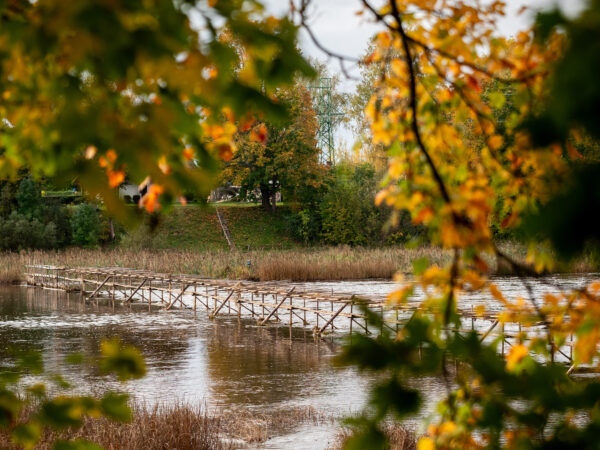
One of the most special areas of the North Vidzeme Biosphere Reserve is the Salaca Valley Nature Park. It covers the Salaca River and its scenic valley from Mazsalaca to Salacgrīva. The nature park is also part of Natura 2000, the network of protected nature areas of European importance.
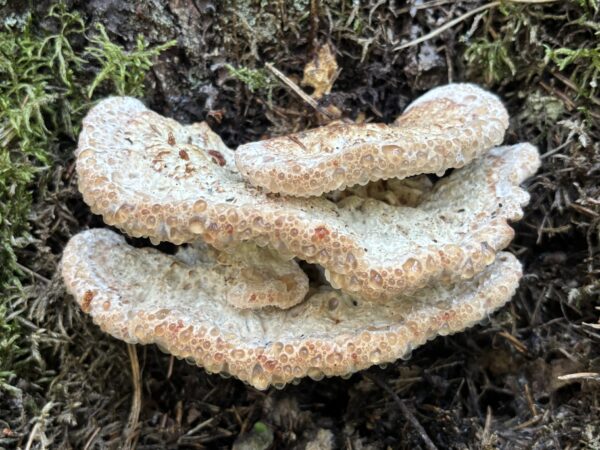
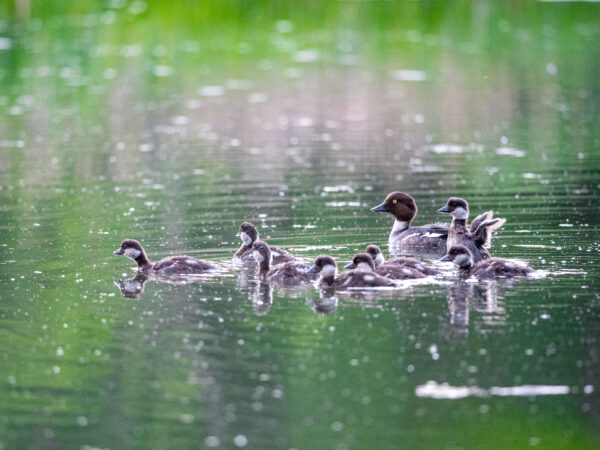
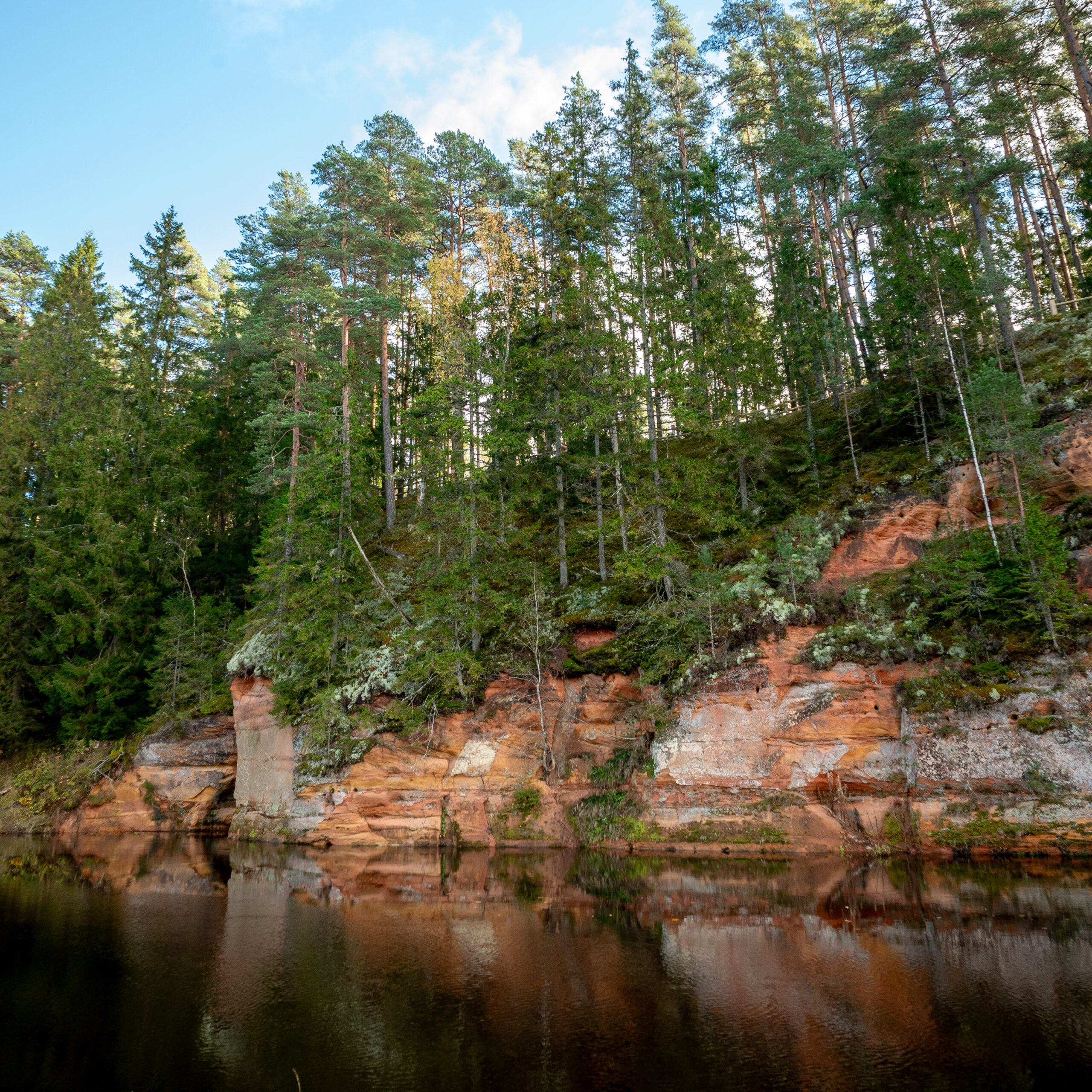
The Salaca Valley is known for its striking sandstone outcrops, caves, natural forests, spring fens, river rapids and diverse meadows. These natural features provide habitats for many rare and protected species of plants, fungi and animals. The Salaca River itself is also particularly important. Its natural riverbed, rapids and varied aquatic habitats are essential to how the river ecosystem works and to the life cycle of salmonid fish.
The idea behind biosphere reserves is that people are part of nature and that its value can be preserved by building a balanced relationship with the environment. In the North Vidzeme Biosphere Reserve and the Salaca Valley Nature Park, too, responsible land management, nature education, sustainable tourism and community involvement play an important role.
Photo: Jānis Ukass, Andris Soms, Ilze Ķuze
Co-funded by the European Union. This information reflects only the views of the LIFE IS SALACA project partners. The European Union and the European Climate, Infrastructure and Environment Executive Agency (CINEA) are not responsible for any use that may be made of the information it contains.