

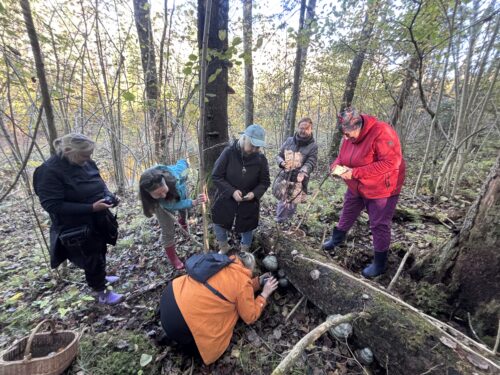
On 18 October 2026, the Latvian Mycological Society held an excursion in the “Salacas ieleja” (Salaca Valley) Nature Park. Its…

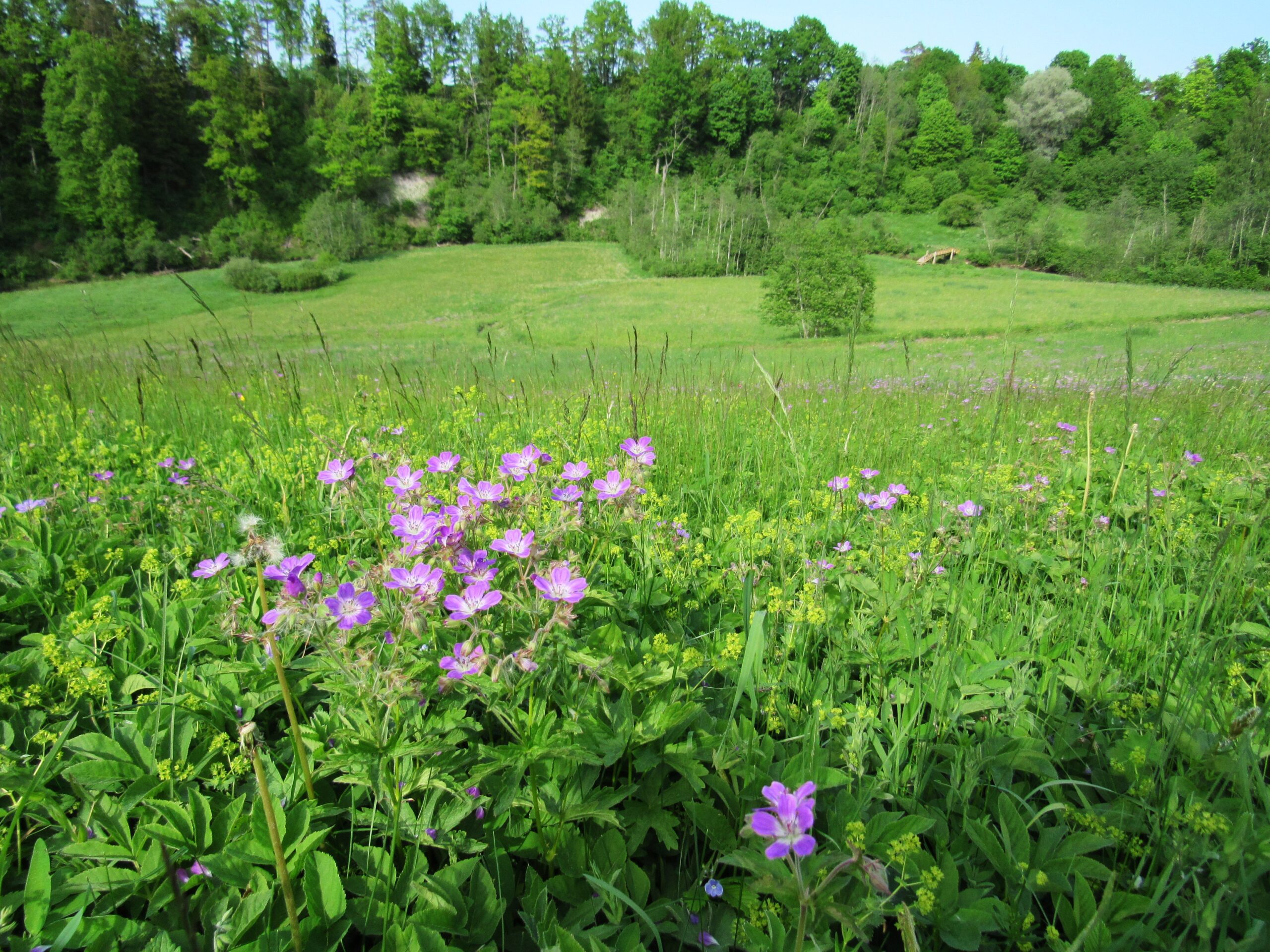
The “Salacas ieleja” (Salaca Valley) Nature Park is home to one of Latvia’s rarest and most valuable ecosystems – semi-natural grasslands, which stand out for their outstanding diversity of plants, birds and insects. Although they once covered a third of the country, today such meadows survive only in small areas.
At midsummer, many of us think of flowering meadows where we pick flowers and Midsummer herbs for the Līgo celebrations. But such colourful, species-rich meadows are no longer common in Latvia. Natural grasslands, or more precisely semi-natural grasslands, have almost disappeared over the last 100 years. They used to cover about 30% of Latvia, but today less than 1% remains.
These grasslands are very special, because many different plant species grow on a small piece of land – even more than in tropical forests. For example, in Latvia’s best grasslands you can find about 50 plant species in a single square metre. They are also an important habitat for many animals – birds, insects and other invertebrates.
The grasslands of the “Salacas ieleja” Nature Park
About 70 hectares of valuable grasslands have survived in the “Salacas ieleja” Nature Park. There are 7 different types of grassland habitats here – from dry calcareous meadows to fertile floodplain meadows. These grasslands are home to many rare and protected species.
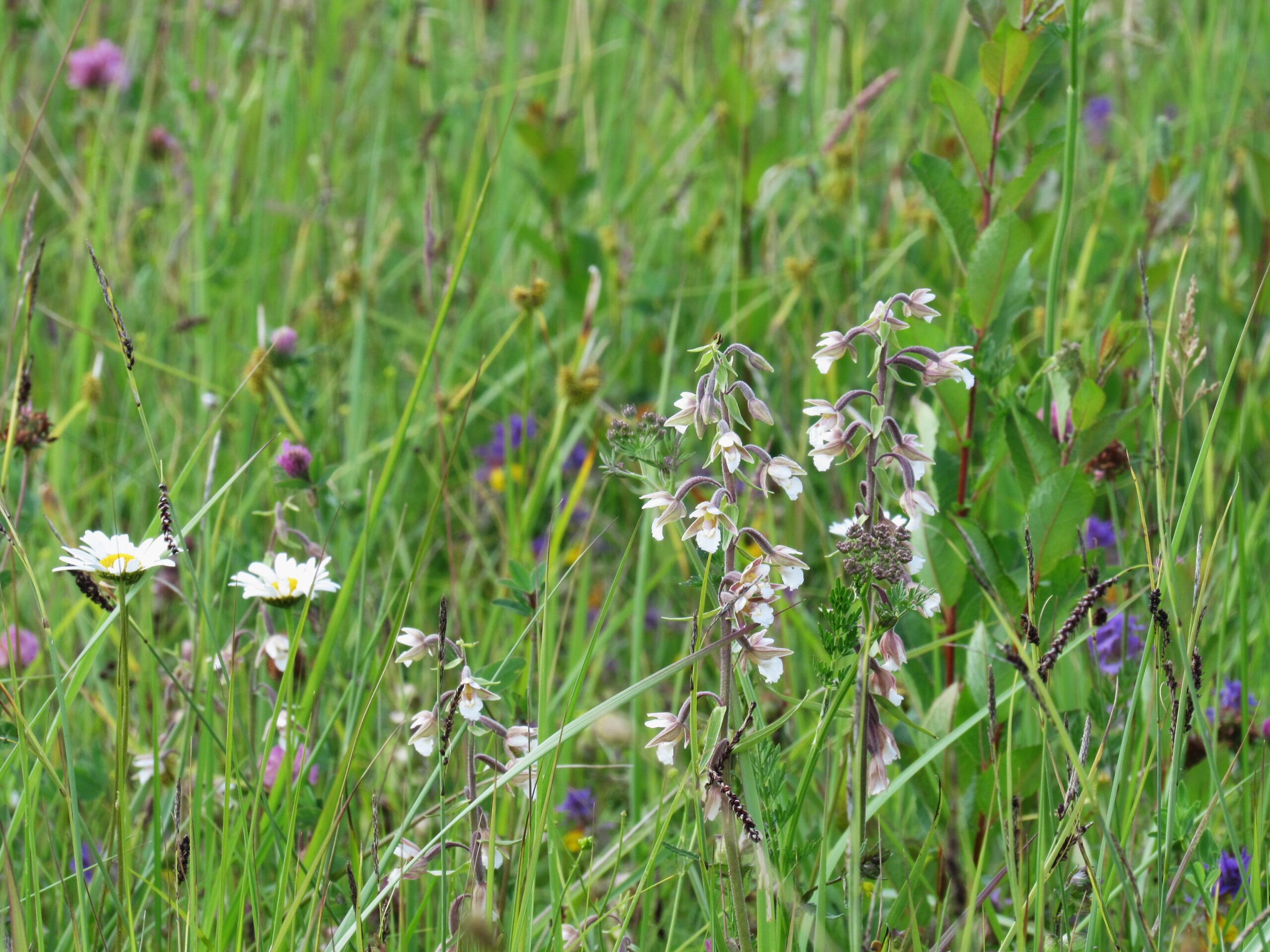
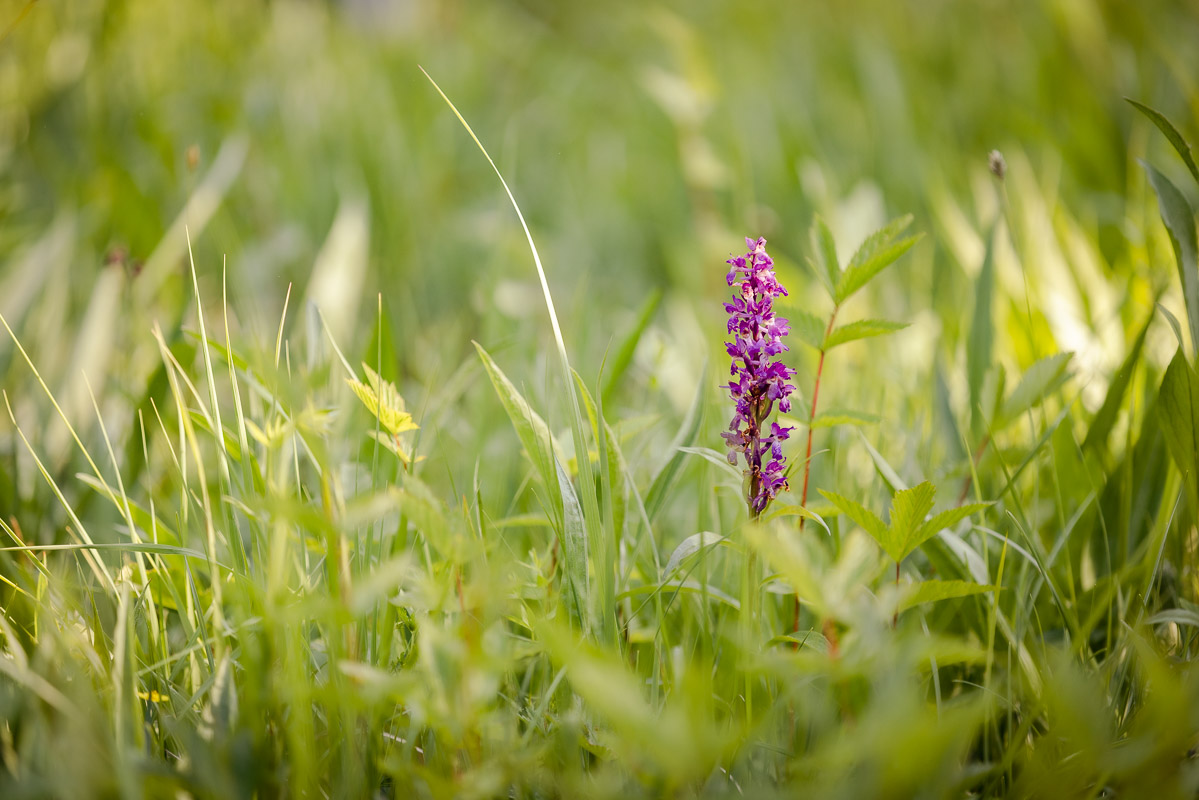
More than 520 plant species are found in Latvia’s semi-natural grasslands, including many orchids – about 70% of all orchid species found in Latvia. Here you can see plants such as the lesser butterfly-orchid, marsh orchids and spotted orchids.
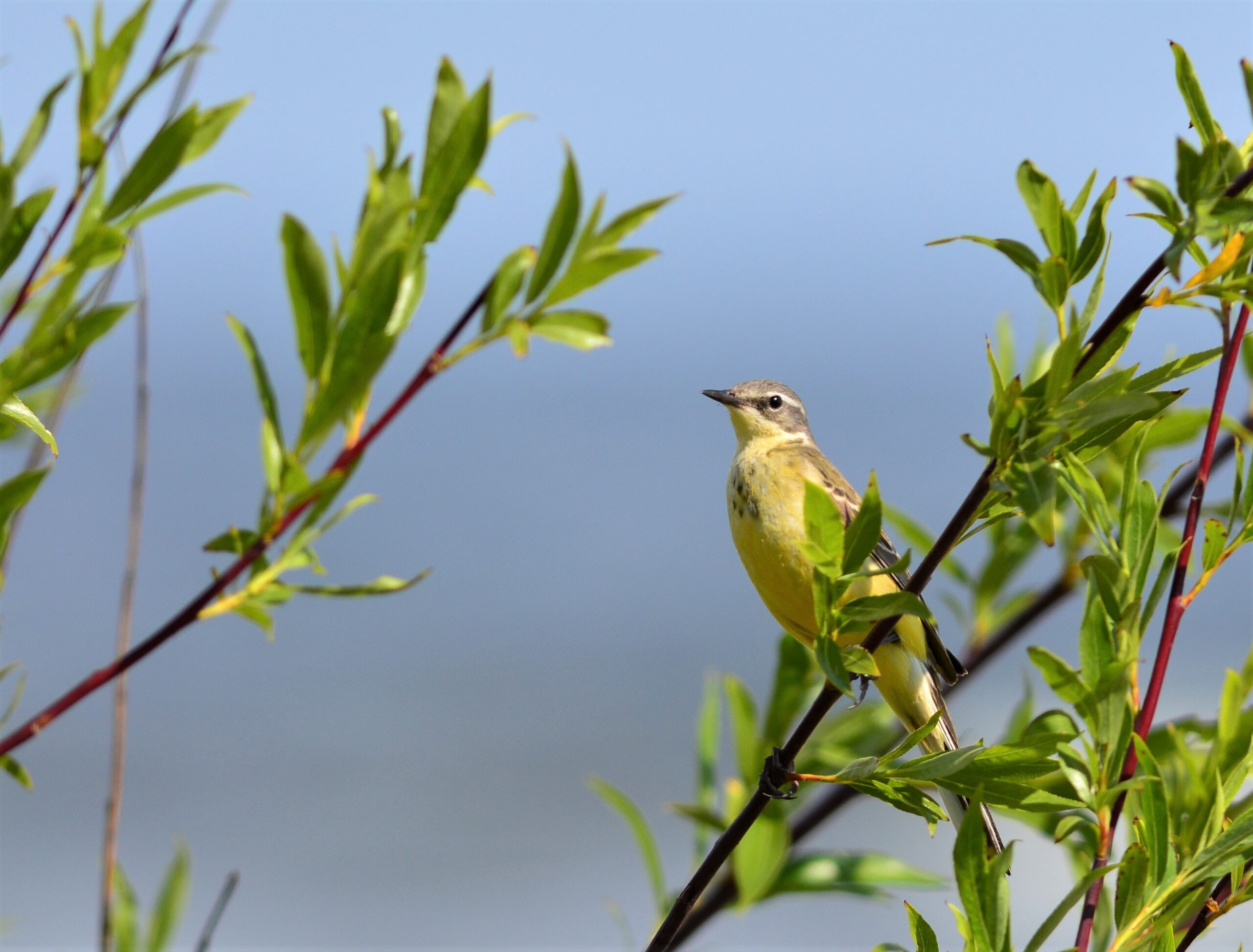
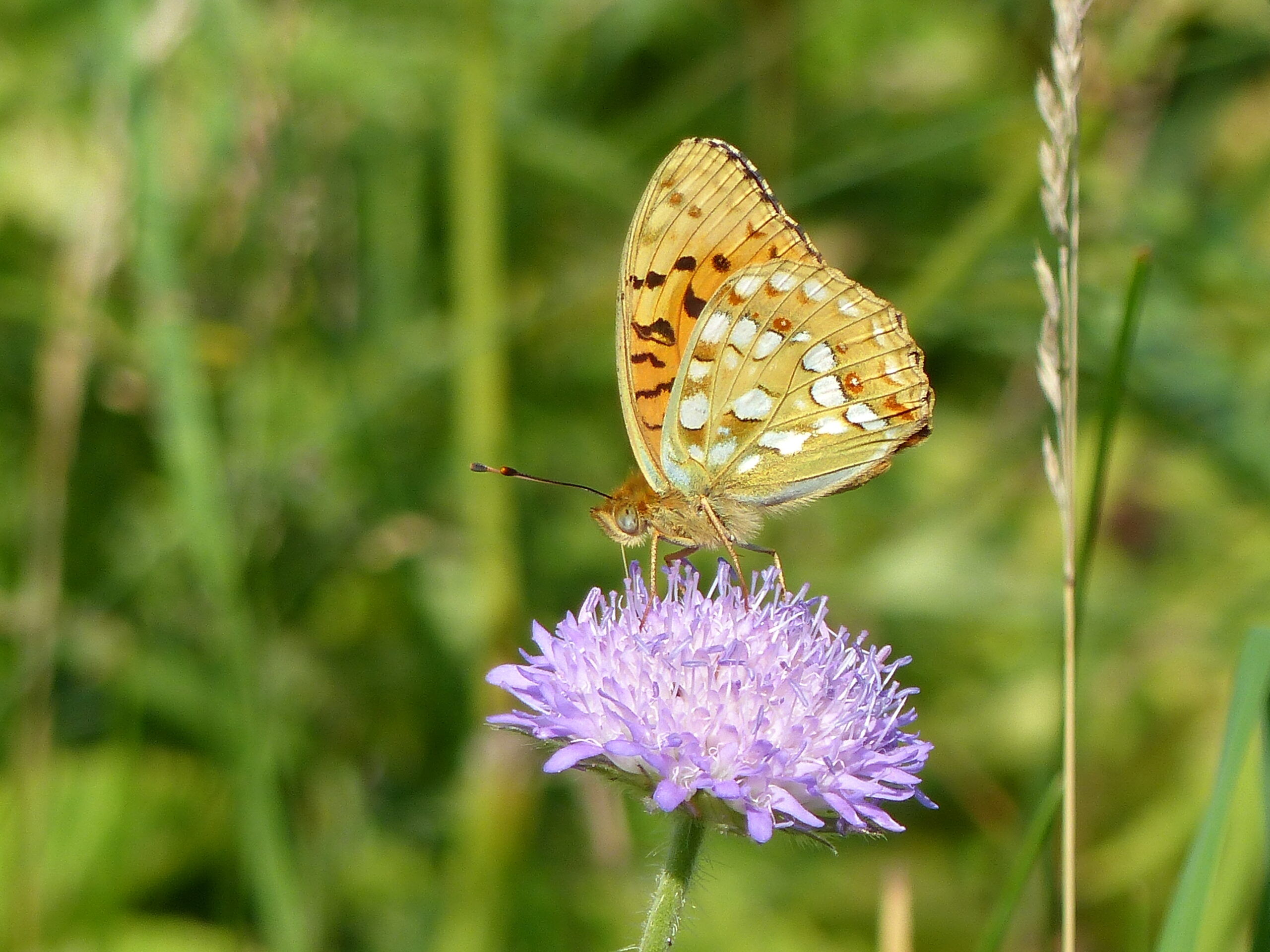
About 50 bird species also nest in grasslands, for example the western yellow wagtail. Grasslands are important for birds not only for nesting but also for feeding and resting during migration. Many insects, such as the marsh fritillary, also depend on these grasslands.
Grasslands are also important for people
In addition to their natural values, grasslands provide many practical benefits – they reduce the risk of flooding, improve water quality, prevent the spread of alien plants, help to preserve fertile soil and serve as a source of medicinal and ornamental plants.
Grasslands also have great cultural significance – especially at Midsummer, when we use their plants to weave flower wreaths and decorate our homes. But without grasslands, this beautiful tradition will be lost.
How can we help grasslands?
To preserve natural grasslands, they need to be managed – mown or grazed. They must not be turned into arable land. Today, many grasslands are cut off from each other by roads, fields and forests. To preserve their species diversity, they need to be connected so that plants and animals can move from one meadow to another. Only in this way can these grasslands survive.
While drawing up the nature conservation plan for the “Salacas ieleja” Nature Park, options and solutions for preserving the grasslands will be assessed, so that in the future they can continue to delight Midsummer revellers with Midsummer herbs for generations to come. The aim of the nature conservation plan is to strike a balance between nature conservation and the interests of local communities, so that the Salaca valley remains a place where nature and traditions exist side by side.
Photo: A. Priede, M. Medne, H. Avent