

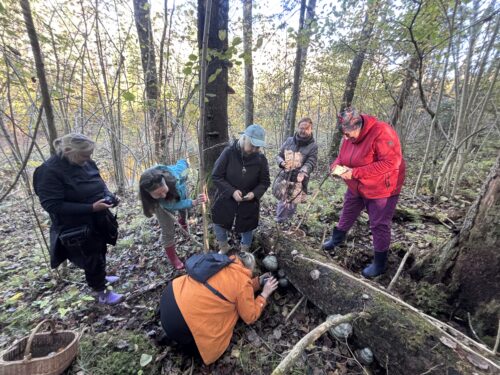
On 18 October 2026, the Latvian Mycological Society held an excursion in the “Salacas ieleja” (Salaca Valley) Nature Park. Its…

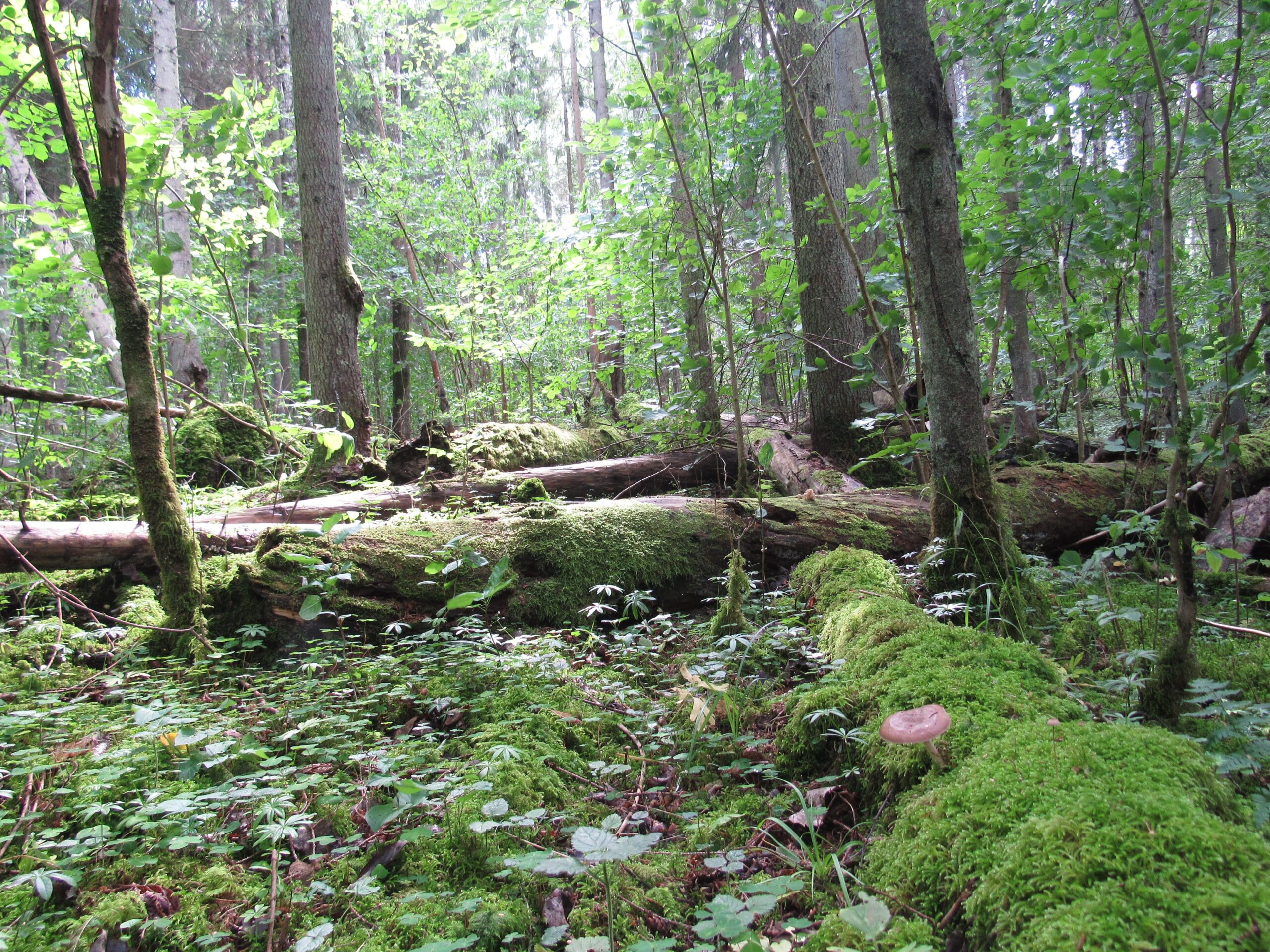
Forests are one of the greatest jewels of the “Salacas ieleja” (Salaca Valley) Nature Park. They are the most widespread natural ecosystem – forest land covers almost 70% of the nature park. In terms of biodiversity, the protected forest habitats stand out in particular: they cover more than 900 ha in the park and represent 9 types of forest habitats of EU importance.
The forests of the “Salacas ieleja” Nature Park
The nature park includes forest habitat types of EU importance such as 9010* Western Taïga, the most common habitat, covering more than 500 ha of forest land. It is followed by 9180* Tilio-Acerion forests of slopes, screes and ravines with about 157 ha, while habitat 91D0* Bog woodland ranks third in terms of area. The other forest habitats found in the “Salacas ieleja” Nature Park – 9050 Fennoscandian herb-rich forests with Picea abies, 91F0 Riparian mixed forests of Quercus robur, Ulmus laevis and Ulmus minor, Fraxinus excelsior or Fraxinus angustifolia, along the great rivers, 9080* Fennoscandian deciduous swamp woods, 9020* Fennoscandian hemiboreal natural old broad-leaved deciduous forests, 91E0* Alluvial forests with Alnus glutinosa and Fraxinus excelsior and 9160 Sub-Atlantic and medio-European oak or oak-hornbeam forests – cover much smaller areas. Of all the forest habitats in the nature park, habitat 91F0 Riparian mixed forests along the great rivers deserves special mention: its total area in Latvia is just over 800 ha, and it is found in only 10 Natura 2000 sites, including the “Salacas ieleja” Nature Park.
Natural values in the forests of “Salacas ieleja”
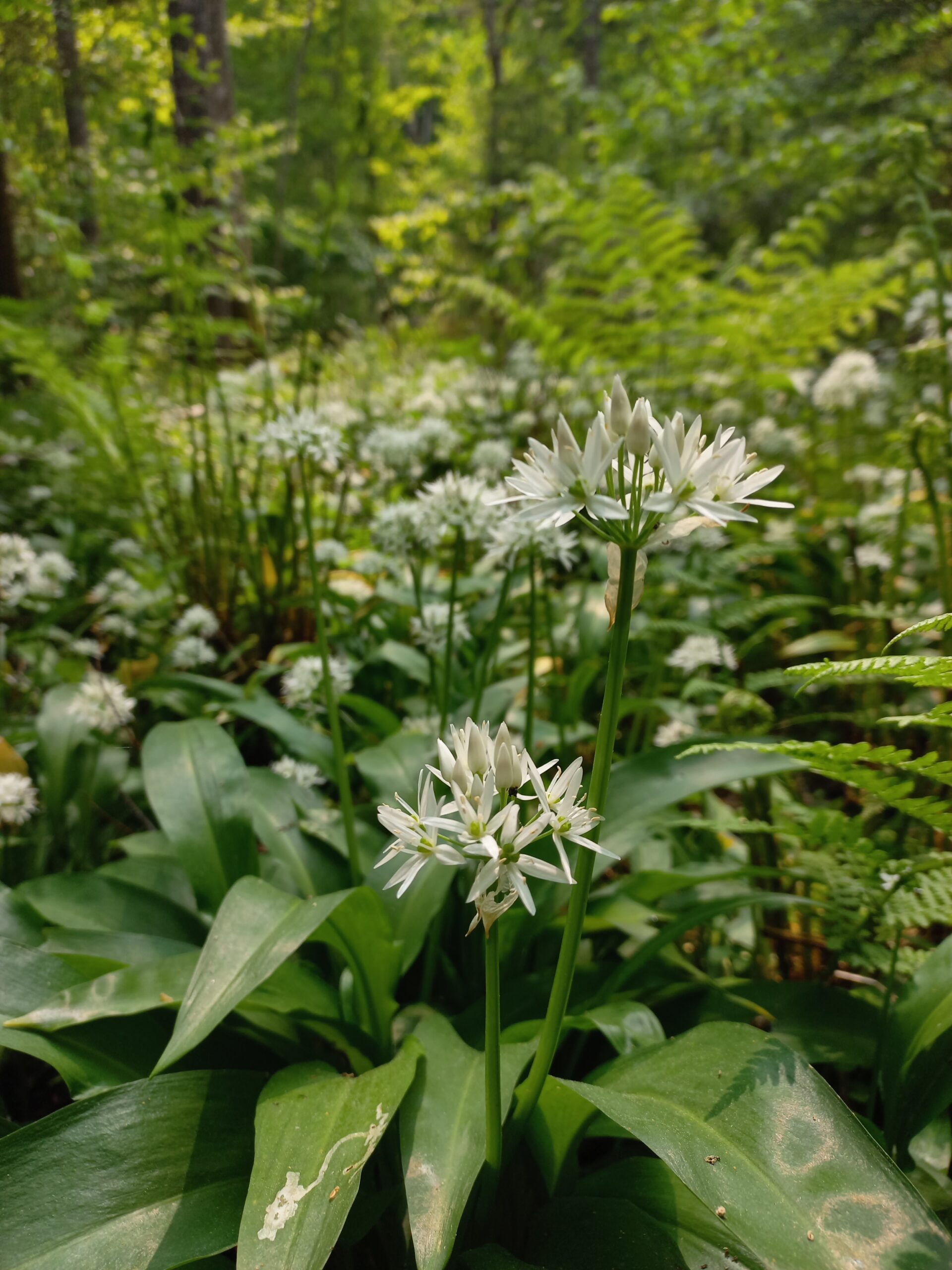
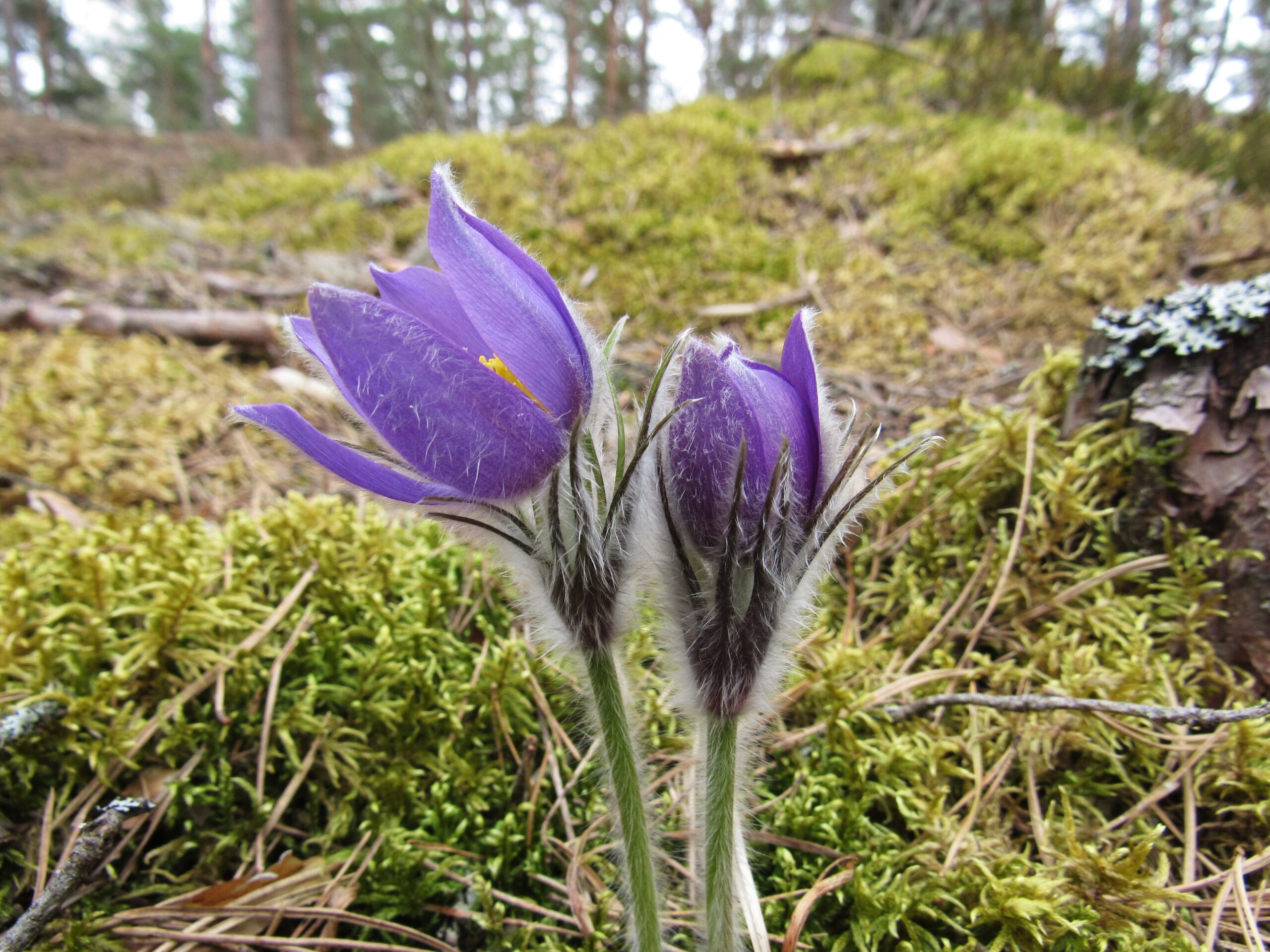
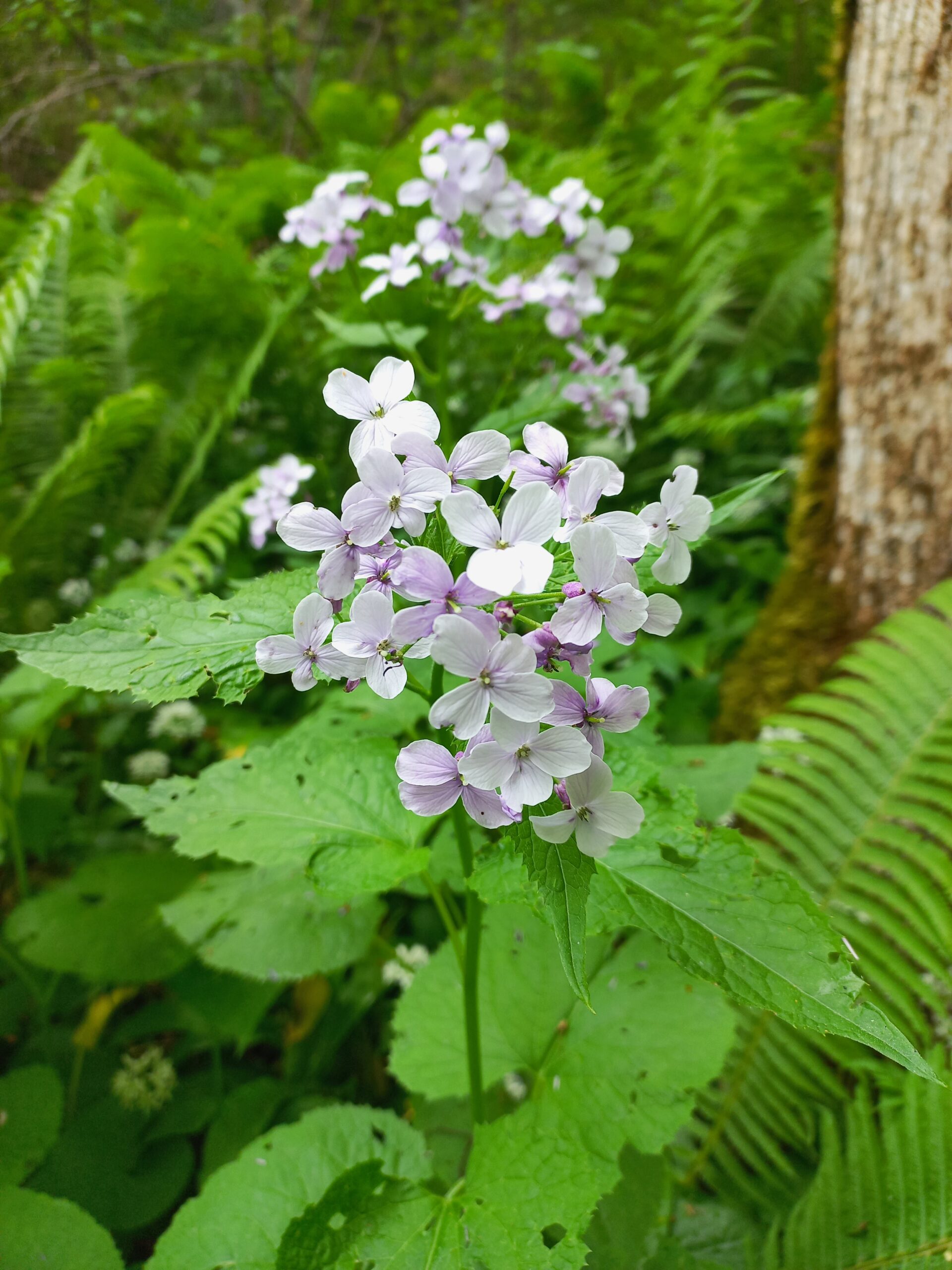
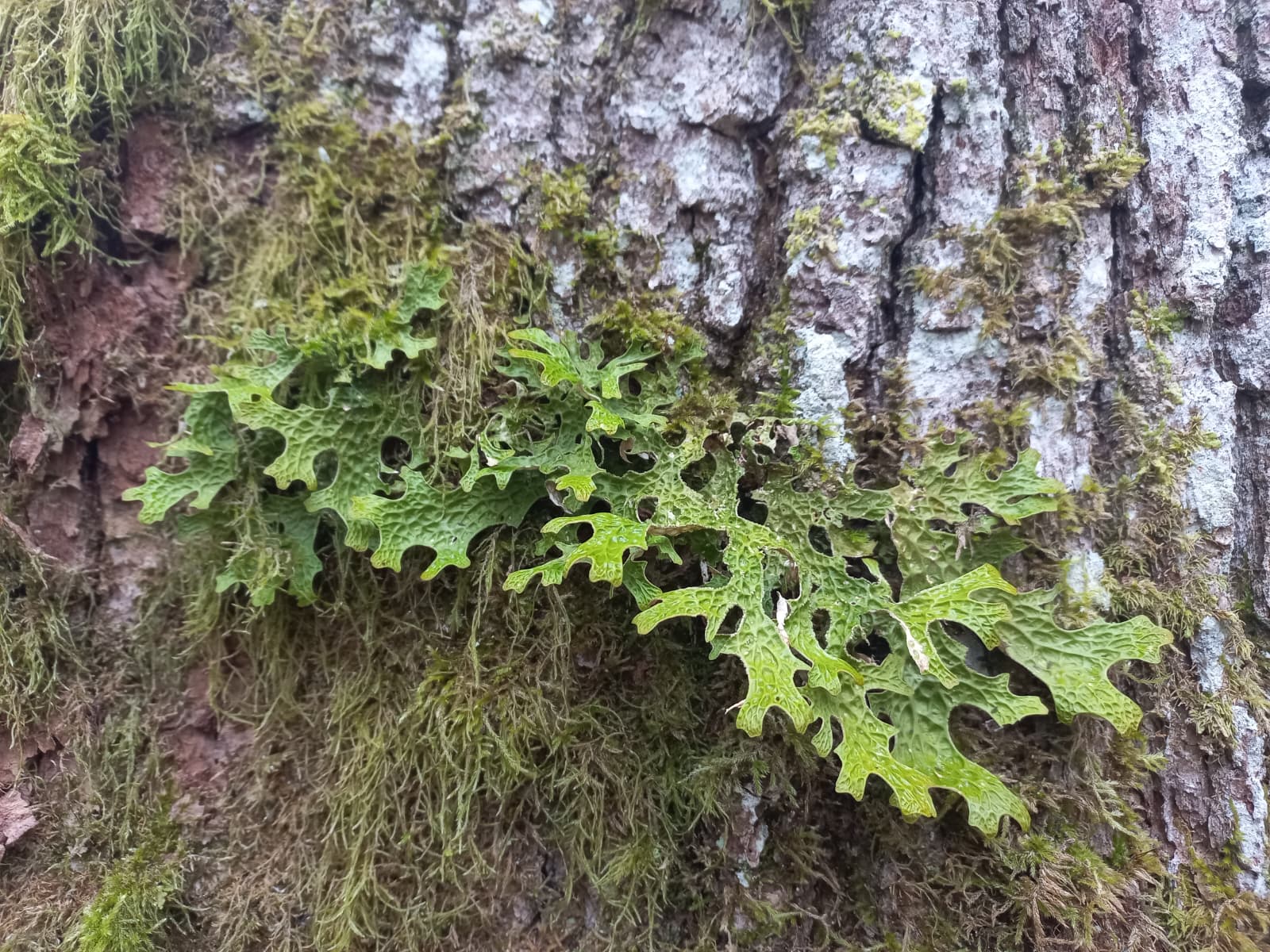
The forests of the nature park hold a wealth of natural values, including rare and specially protected species. In spring, the slope forests of the Salaca and its smaller tributaries are covered in fragrant white carpets of flowers – wild garlic, also known as ramsons, is in bloom, and in places in the Salaca valley it is found in abundance. It is important to remember that wild garlic is a specially protected species, so it is forbidden to pick it in the wild. Another of the earliest flowering plants, which colours the still dark grey early spring background with its blue-violet bells, is the alpine squill. The alpine squill is not only listed in the Latvian Red Data Book and on the list of specially protected species, but micro-reserves can also be set up for it, and it is notably listed in the Habitats Directive – the species must be conserved and protected not only in Latvia but throughout the European Union. June is the right time to visit the Salaca valley to see the tall perennial honesty in bloom, intoxicating with its sweet but subtle scent. All year round, nature lovers can see many species of mosses and lichens; in the Salaca valley you can find one of Latvia’s largest lichens – tree lungwort, which looks like the alveoli of the lungs, hence its name. In addition to these species, the nature park is home to many other rare and specially protected species – various birds, mammals, insects, mosses, lichens, vascular plants and fish. All you have to do is go out into nature to get to know them better!
The gifts of the forest
The forest generously gives people many benefits without asking anything in return. Berries, mushrooms, firewood, timber, birch sap and Christmas trees are just some of the forest’s gifts. The forest is an irreplaceable place for walks, relaxation and meditation. It is a place where people regain their strength, recharge and calm a troubled mind. It is a place of inspiration for creative professionals. For the forest to continue giving us its gifts, it is important to remember that its main function is not only linked to its economic benefits: its role as a store of biodiversity, home to many plant and animal species linked to long-established forests, is just as important, and the well-being it gives everyone who enters it cannot be measured in money.
A forest is much more than a collection of trees – it is a whole, living organism that breathes, changes and interacts with the world around it. Let us respect the mighty world of the forest, and it will continue to selflessly delight us with its many gifts!
Photo: Linda Uzule and Agnese Priede