

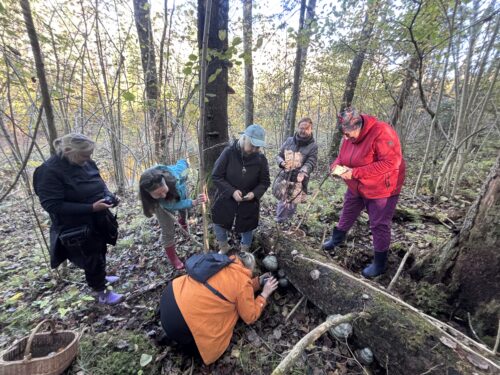
On 18 October 2026, the Latvian Mycological Society held an excursion in the “Salacas ieleja” (Salaca Valley) Nature Park. Its…

Bogs are among the most mysterious and valuable natural ecosystems. They form in places where water accumulates for a long time and plant remains slowly turn into peat. From the outside, a bog may seem quiet and monotonous, but in fact it is alive, dynamic and extremely important for nature.
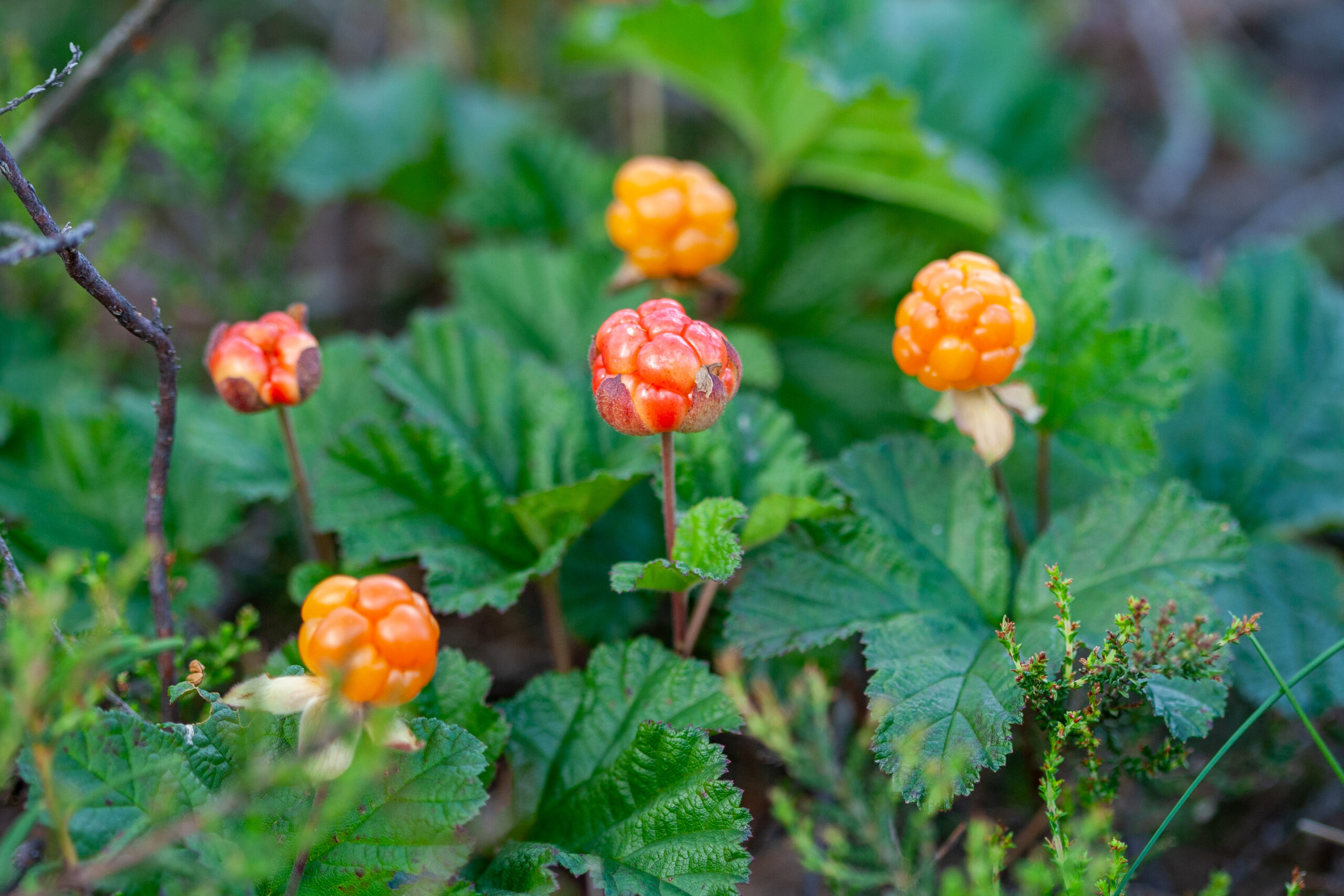
Bogs provide many essential benefits, or ecosystem services, that we rarely think about in everyday life. For example, bogs act as natural sponges – they store excess water during rain and gradually release it in drier periods, reducing the risk of both floods and droughts. Bogs are also a great help in regulating the climate. Huge amounts of carbon are stored in peat that would otherwise end up in the atmosphere. In this way, bogs help to mitigate the impact of climate change. Bogs are also excellent water purifiers – they filter pollutants, improving the quality of both surface and groundwater. They are also a wonderful place to gather useful gifts of nature – cloudberries, cranberries and other bounty – as well as to relax from the hustle and bustle of everyday life and enjoy the scenery.
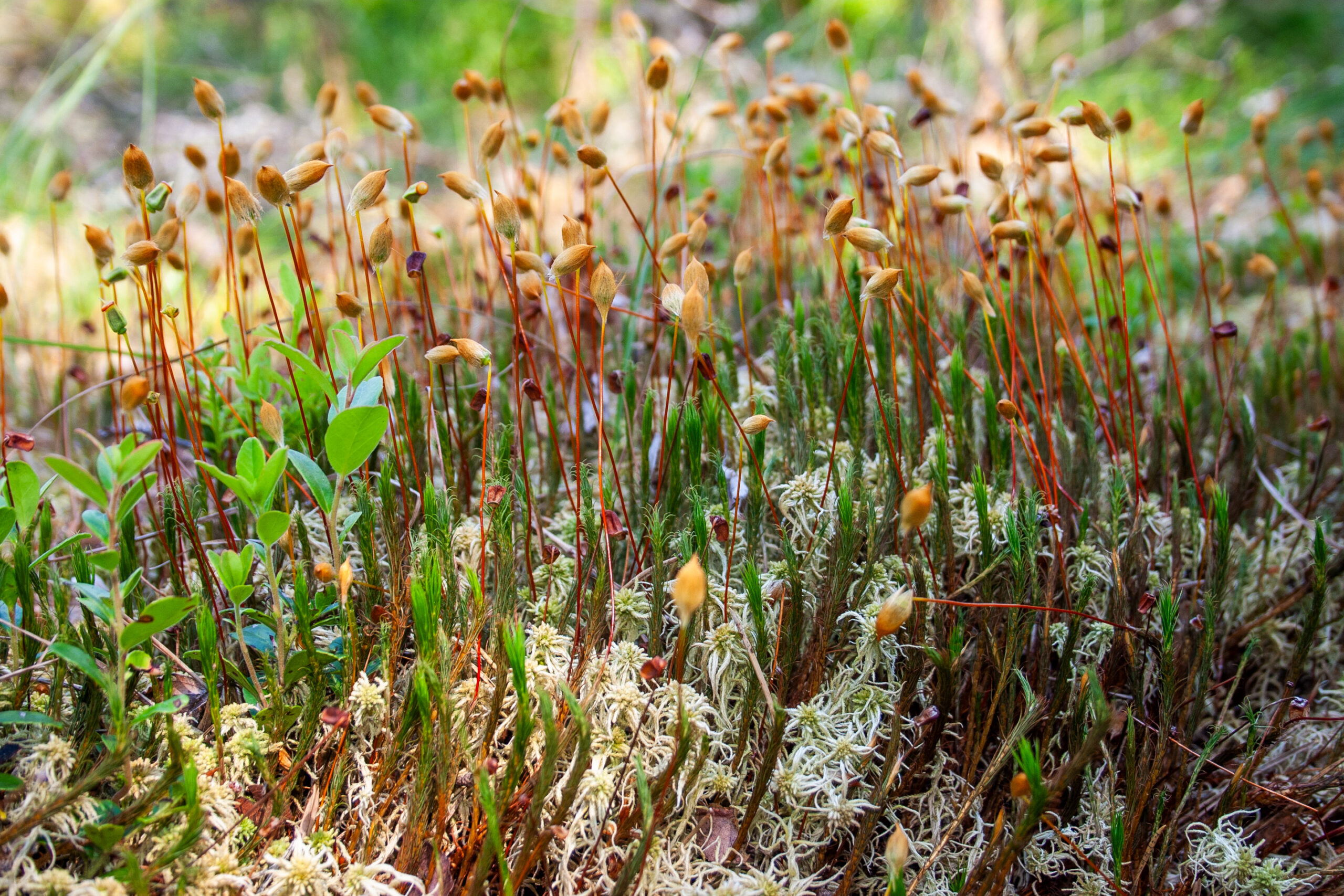
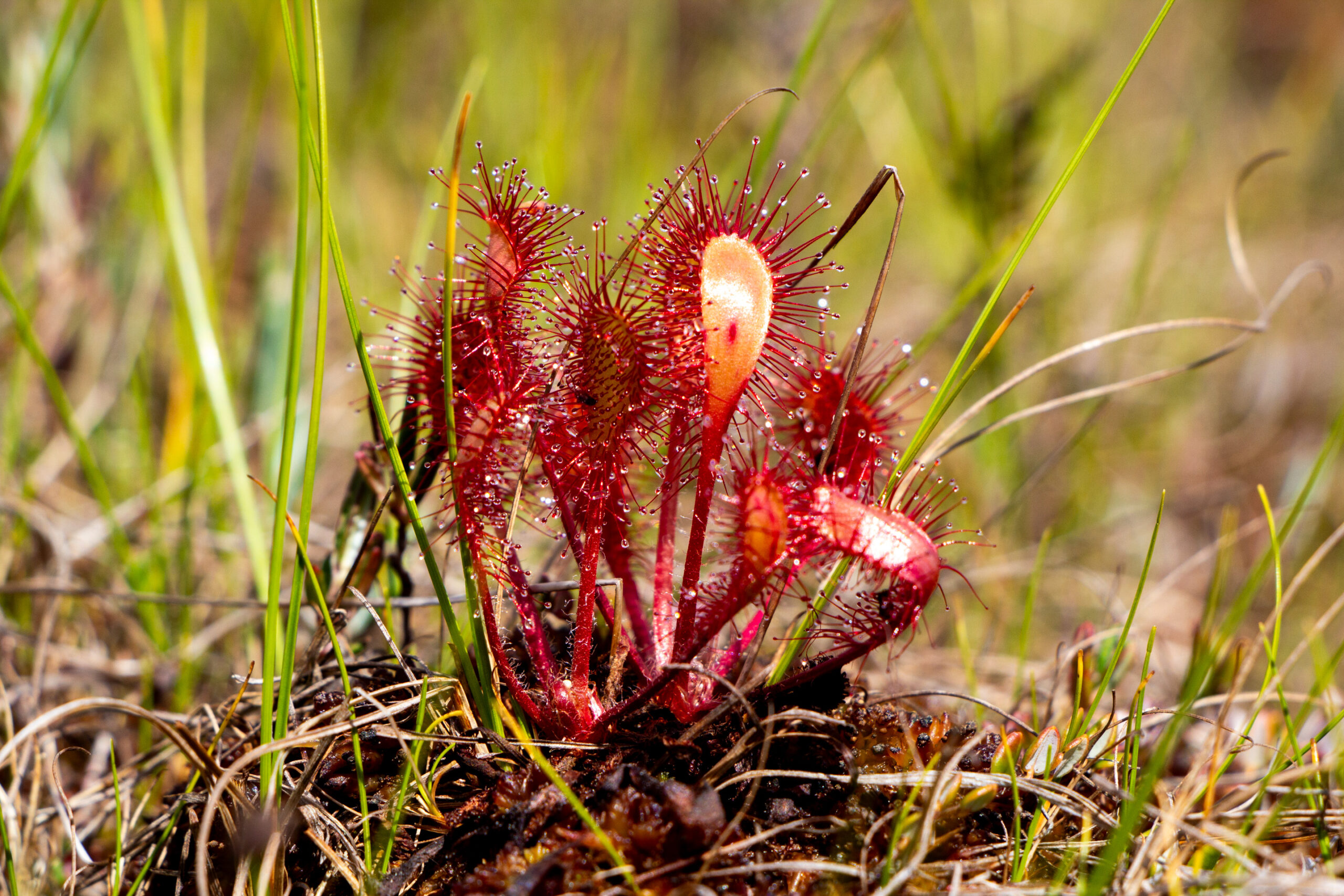
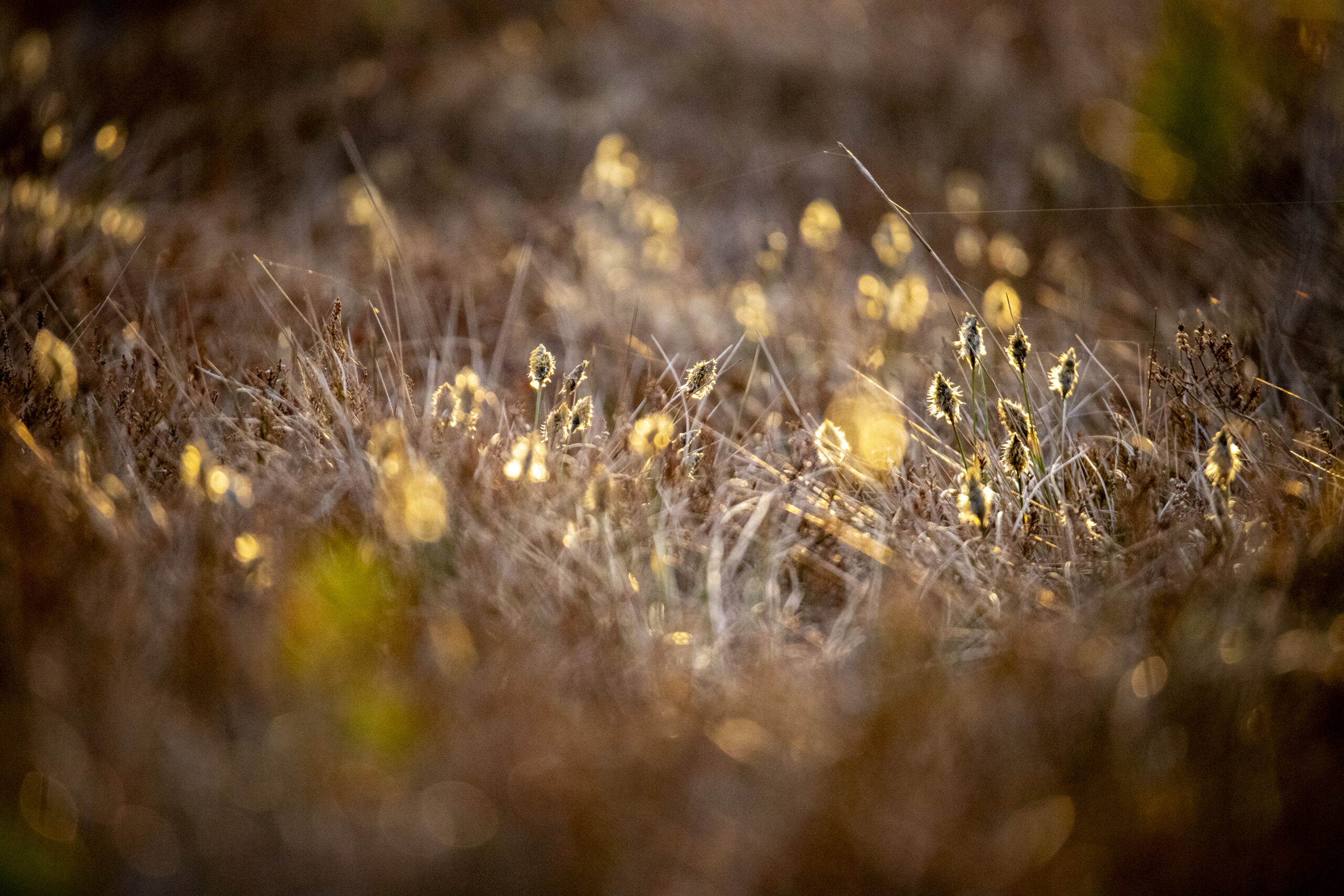
Bogs are home to unique biodiversity. Sphagnum mosses, cranberries, bog rosemary, crowberries, leatherleaf, cottongrass, Rannoch-rush and white beak-sedge have made their home here, as well as insectivorous plants such as sundews. In open bog areas, cranes walk proudly with their wings raised, the tail of an adder flashes between the hummocks, and a pair of elk glide across the bog at a slow pace, listening and watching their surroundings.
Bogs are not a resource that can be quickly restored. They are destroyed within a few years or decades, but restoring them takes much longer. Every drained bog means a lost habitat, a broken chain of life and significant negative consequences for biodiversity. That is why preserving bogs is the responsibility of all of us – towards nature, the climate and future generations.
In the “Salacas ieleja” (Salaca Valley) Nature Park, bog habitats are one of the rarest natural treasures – they cover only 50 hectares. Two types of bog habitats of European Union importance are found here – 7110* Active raised bogs, covering 39 ha, and habitat 7160 Fennoscandian mineral-rich springs and springfens, which covers only 11 ha of the nature park. Every hectare of bog and spring is like a small island of life, so each one needs special care and protection!