

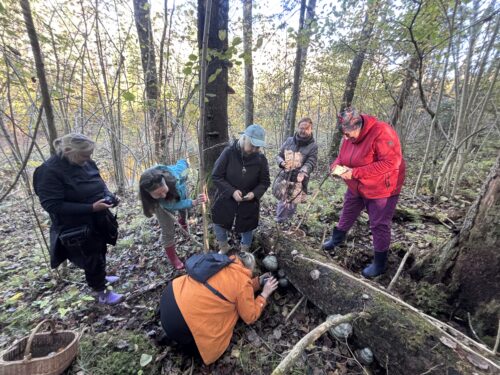
On 18 October 2026, the Latvian Mycological Society held an excursion in the “Salacas ieleja” (Salaca Valley) Nature Park. Its…

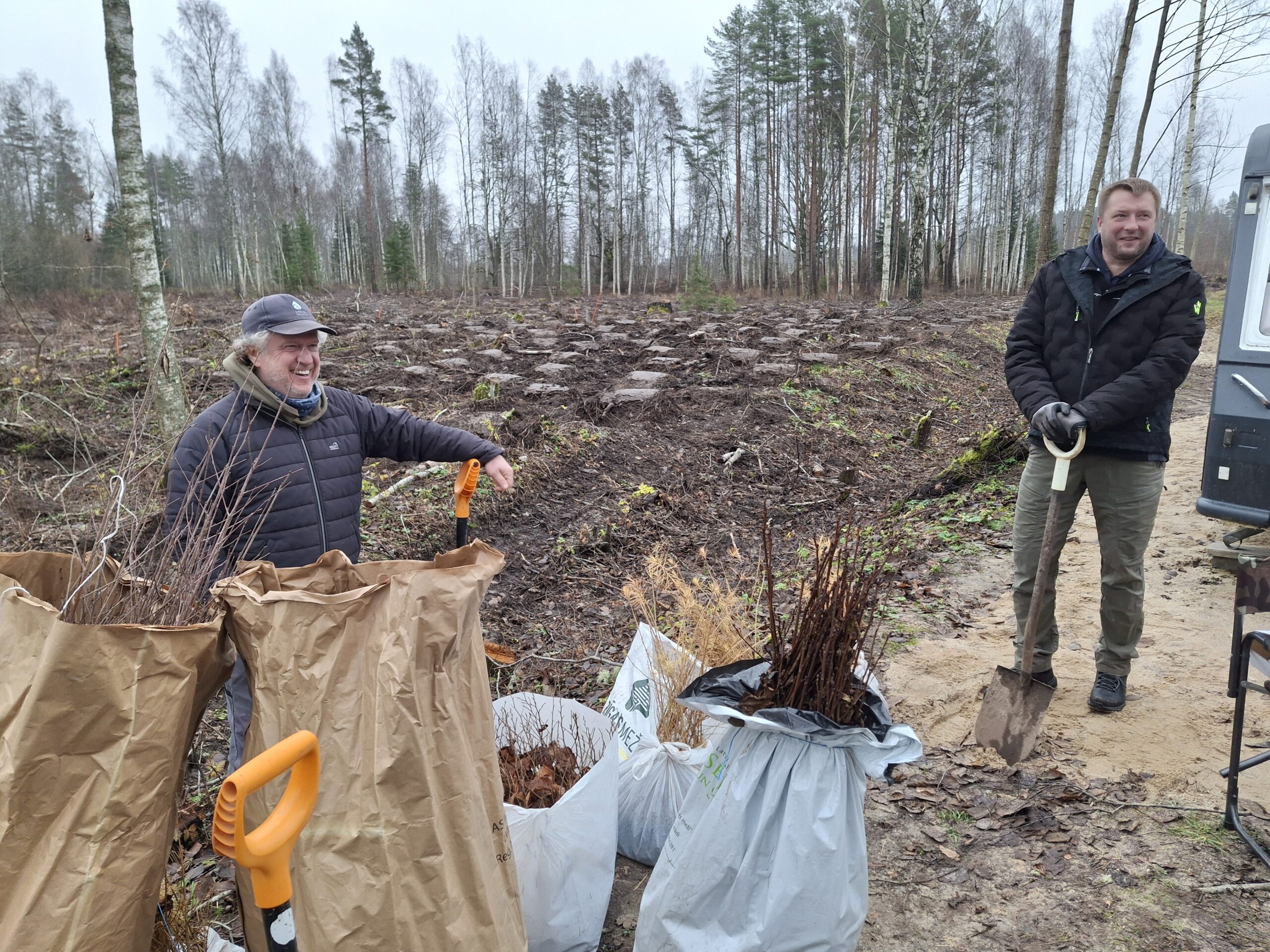
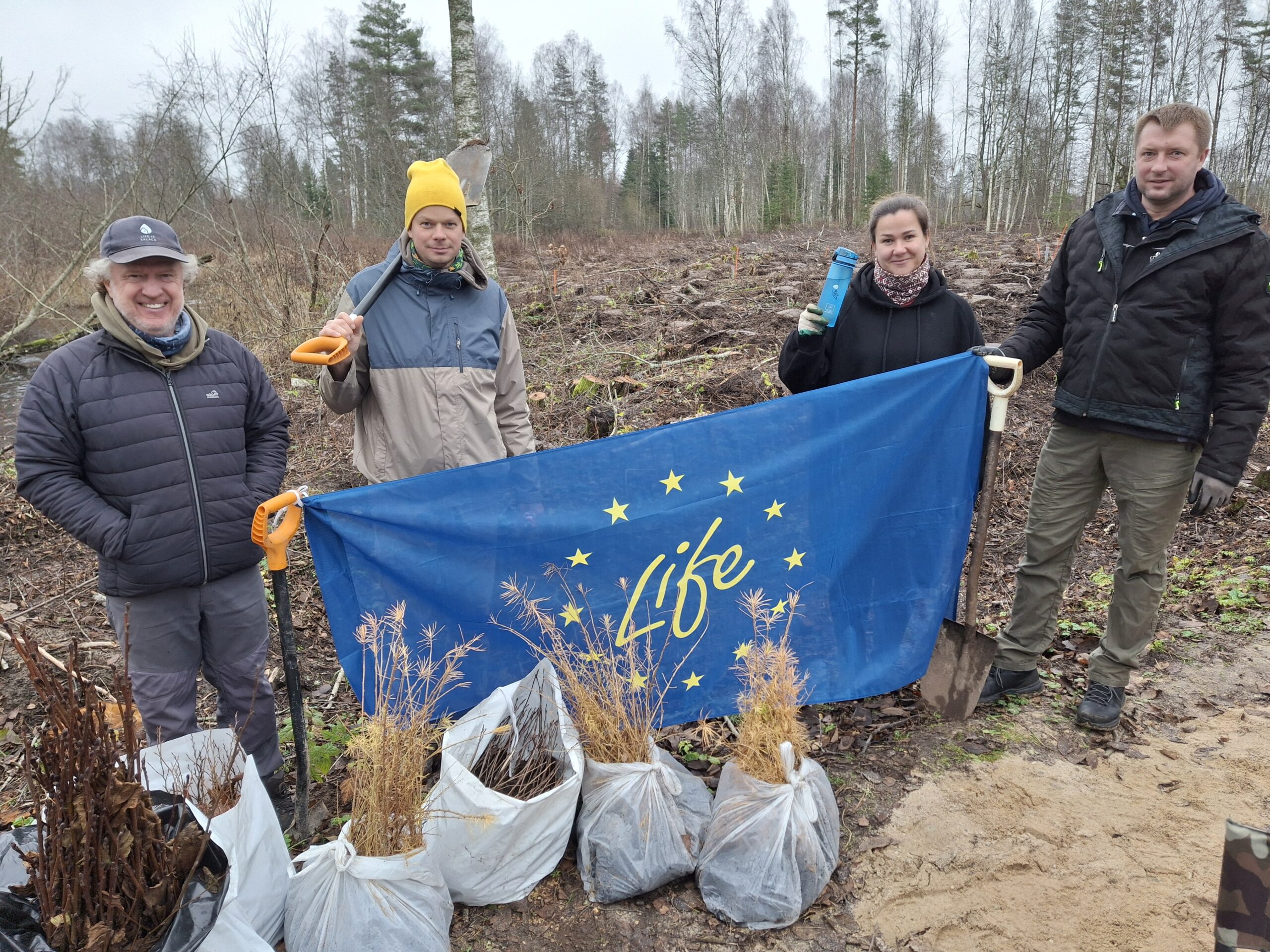
On 12 November, at the “Tuiskas” property, a demonstration area of the LIFE IS SALACA project, an information seminar and a tree-planting day were planned, to which the project partners, deputies of Limbaži Municipality and specialists from the Development and Project Management, Real Estate and Spatial Planning departments were invited. The hosts of the meeting – LIFE IS SALACA project manager Edijs Leoke and lead riparian forest researcher Mārcis Saklaurs – had intended to devote it to an overview of the project’s activities and what has been achieved in two years, as well as to planting trees together.
Unfortunately, the municipality was represented only by specialists from the Development and Project Management Department, so the information part did not take place and more time could be devoted to practical work – planting trees.
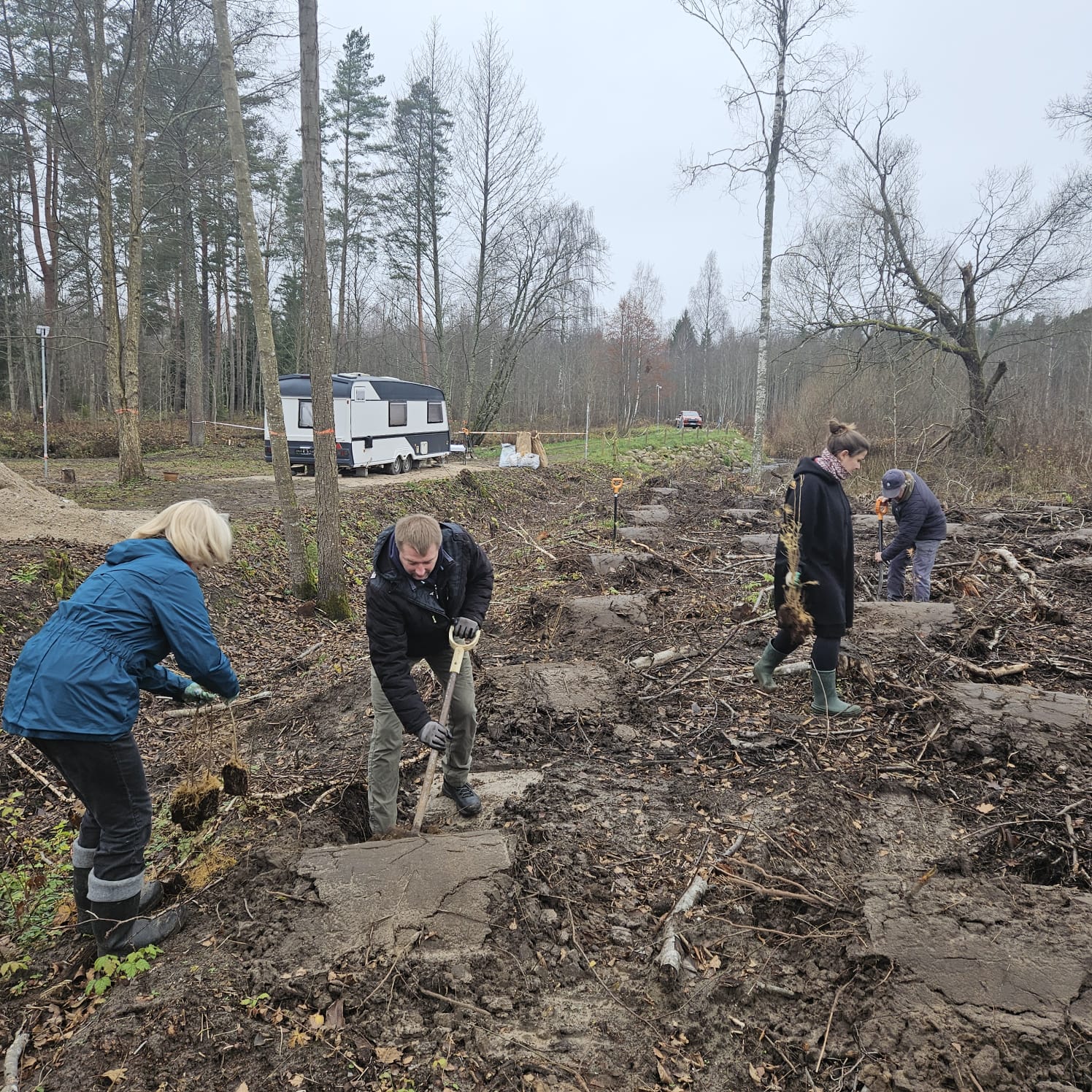
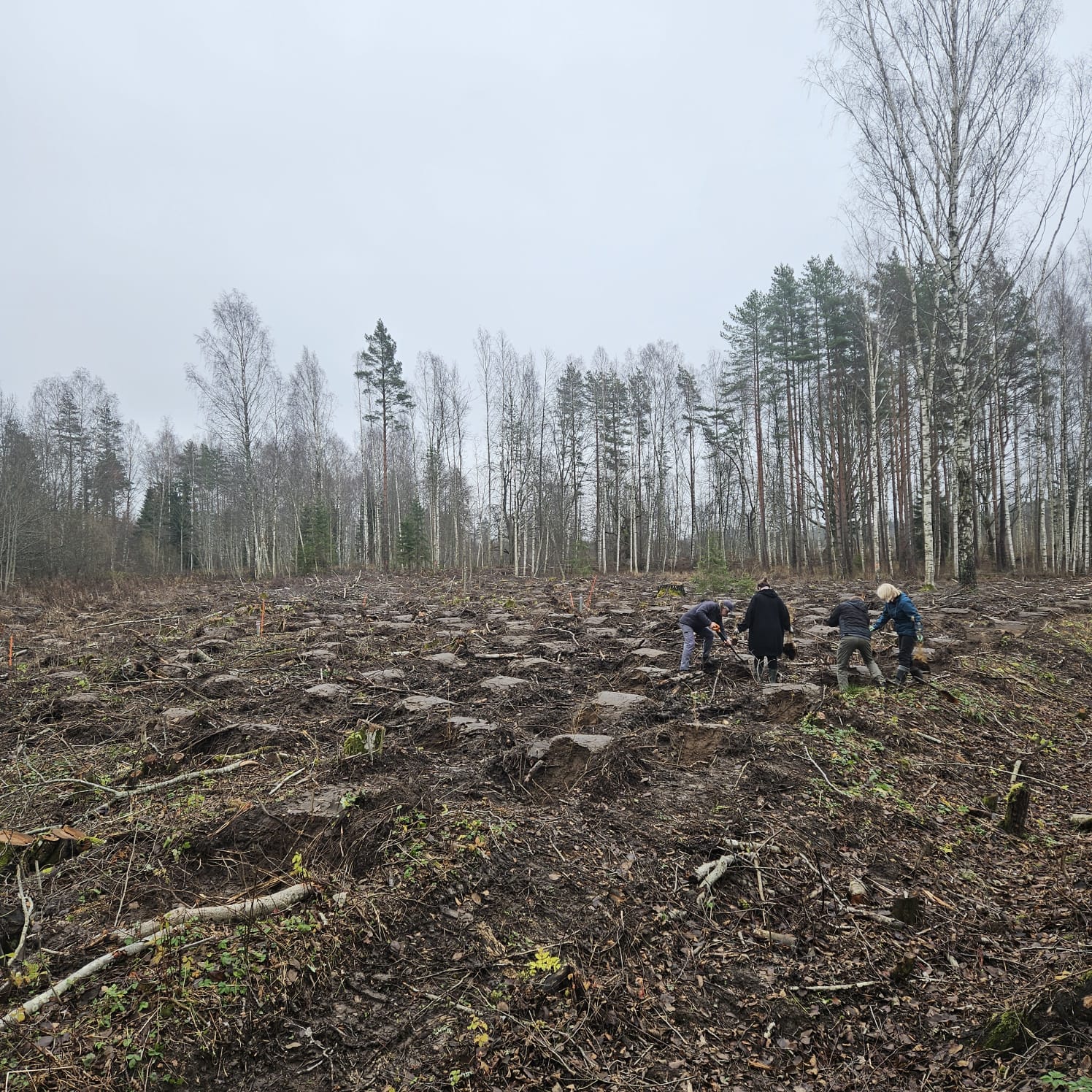
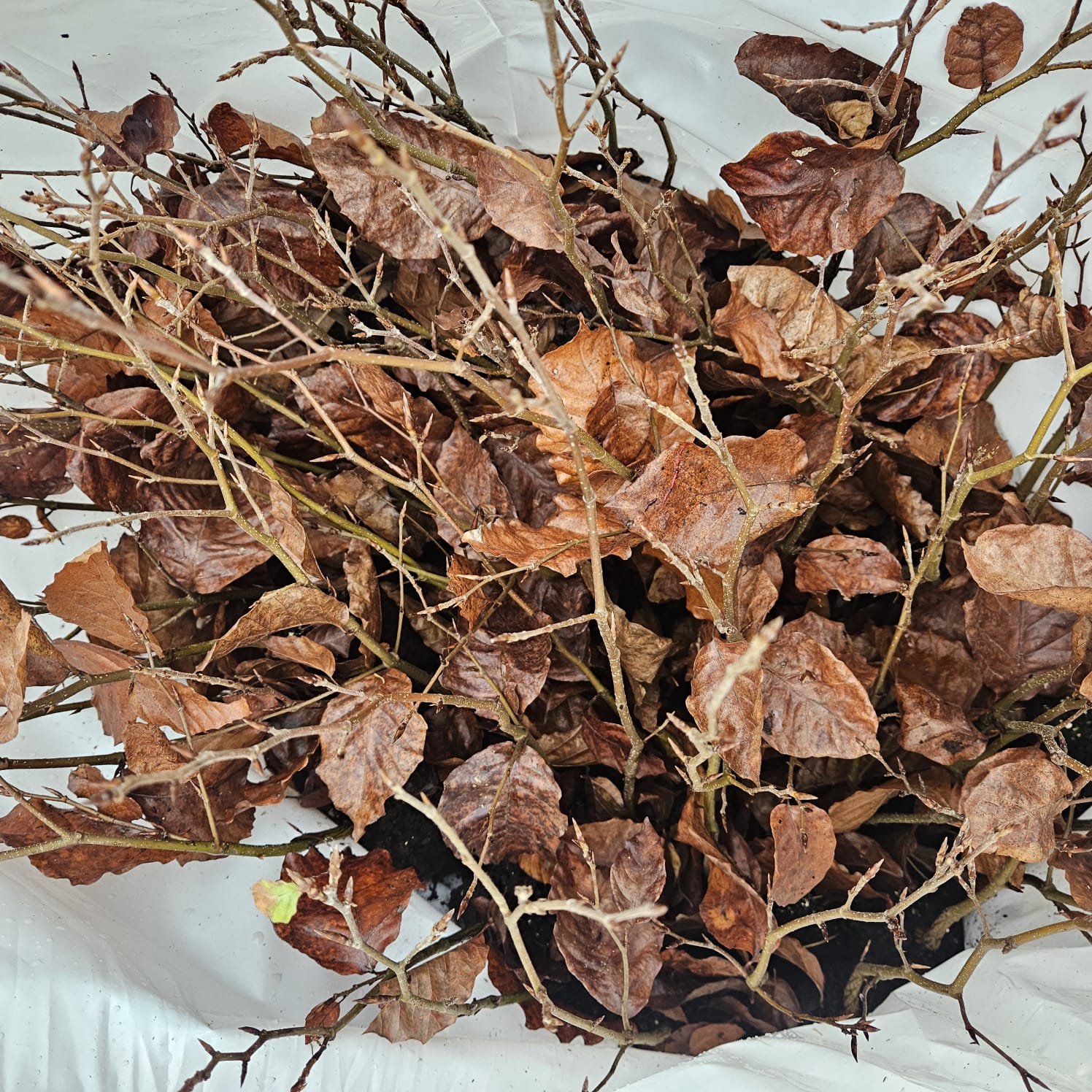
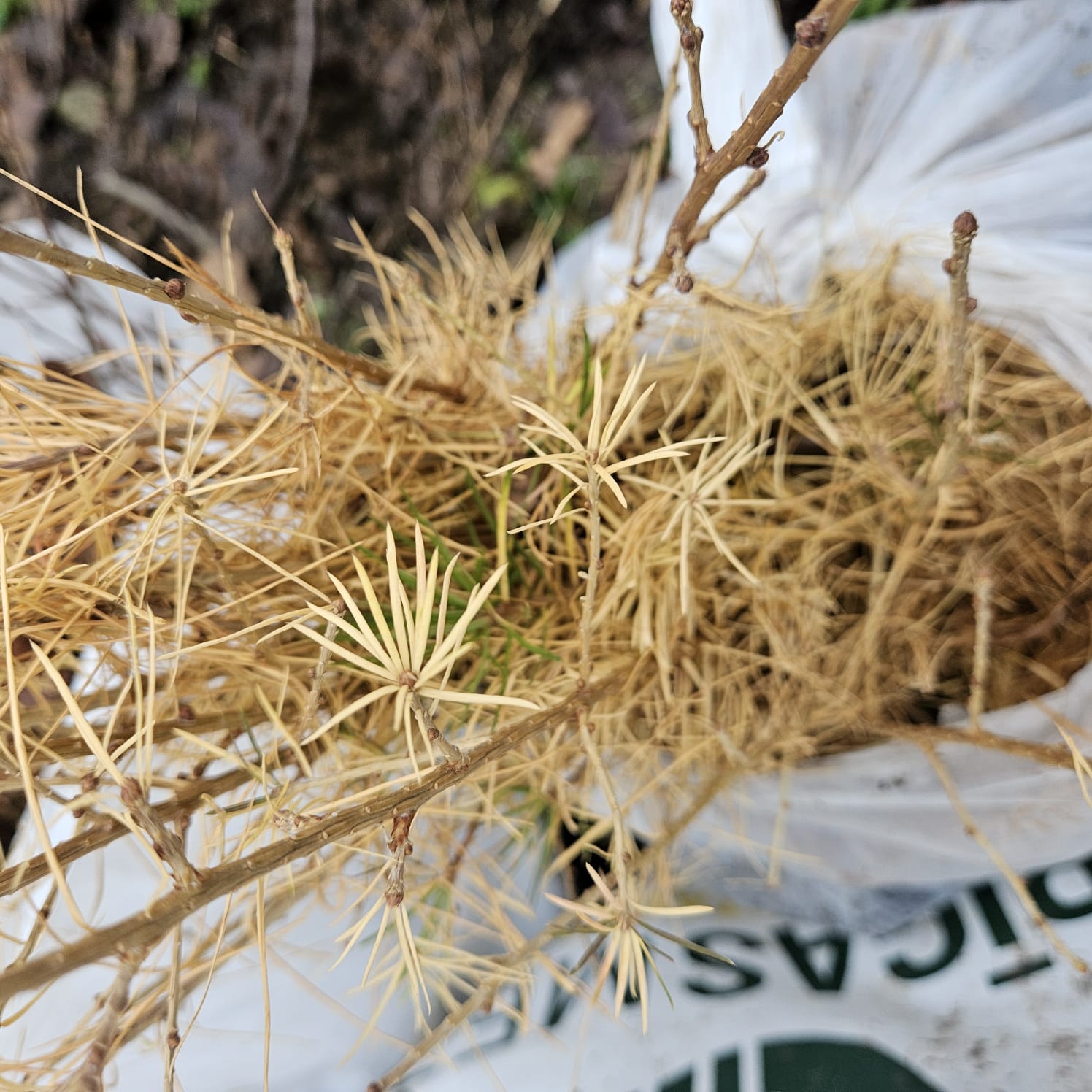
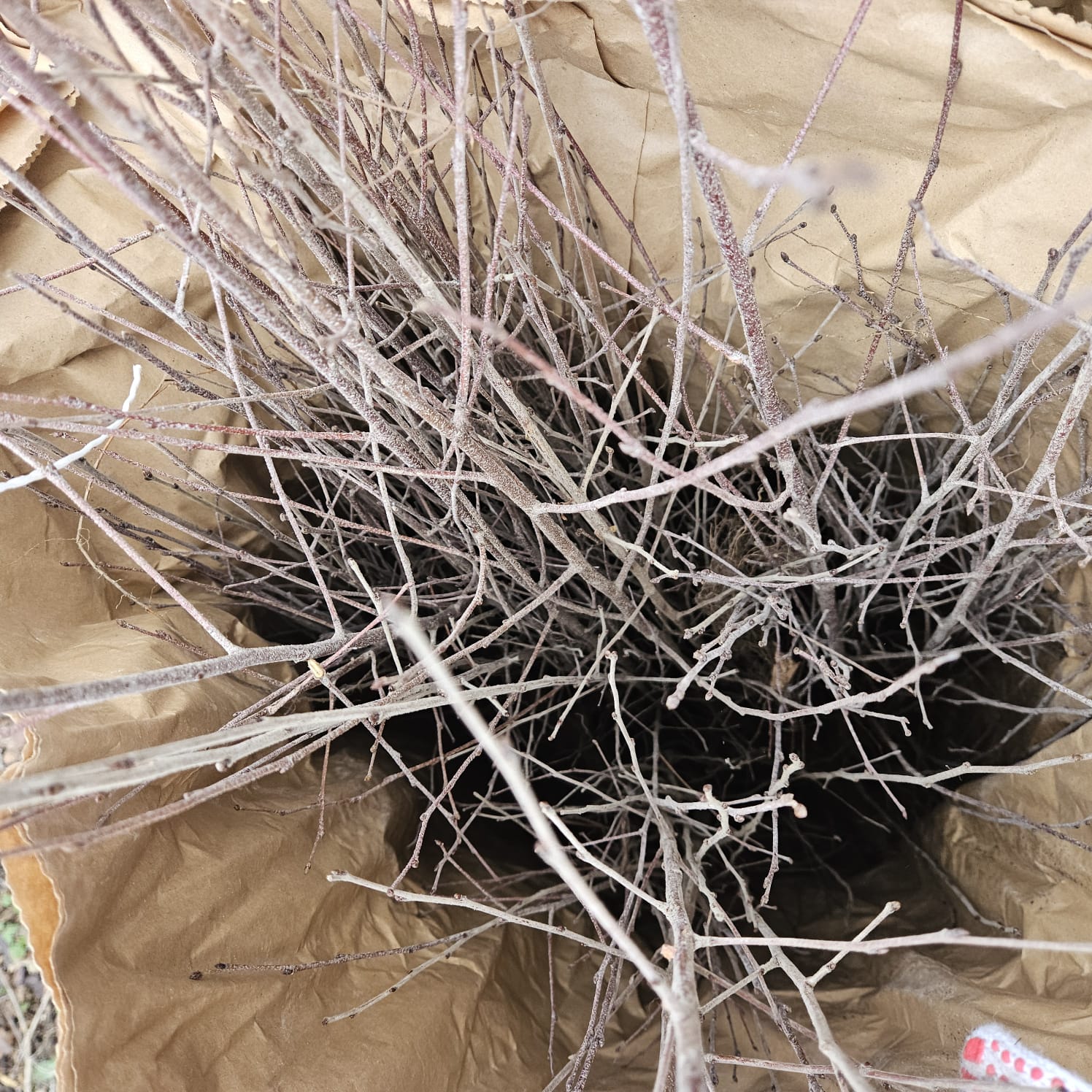
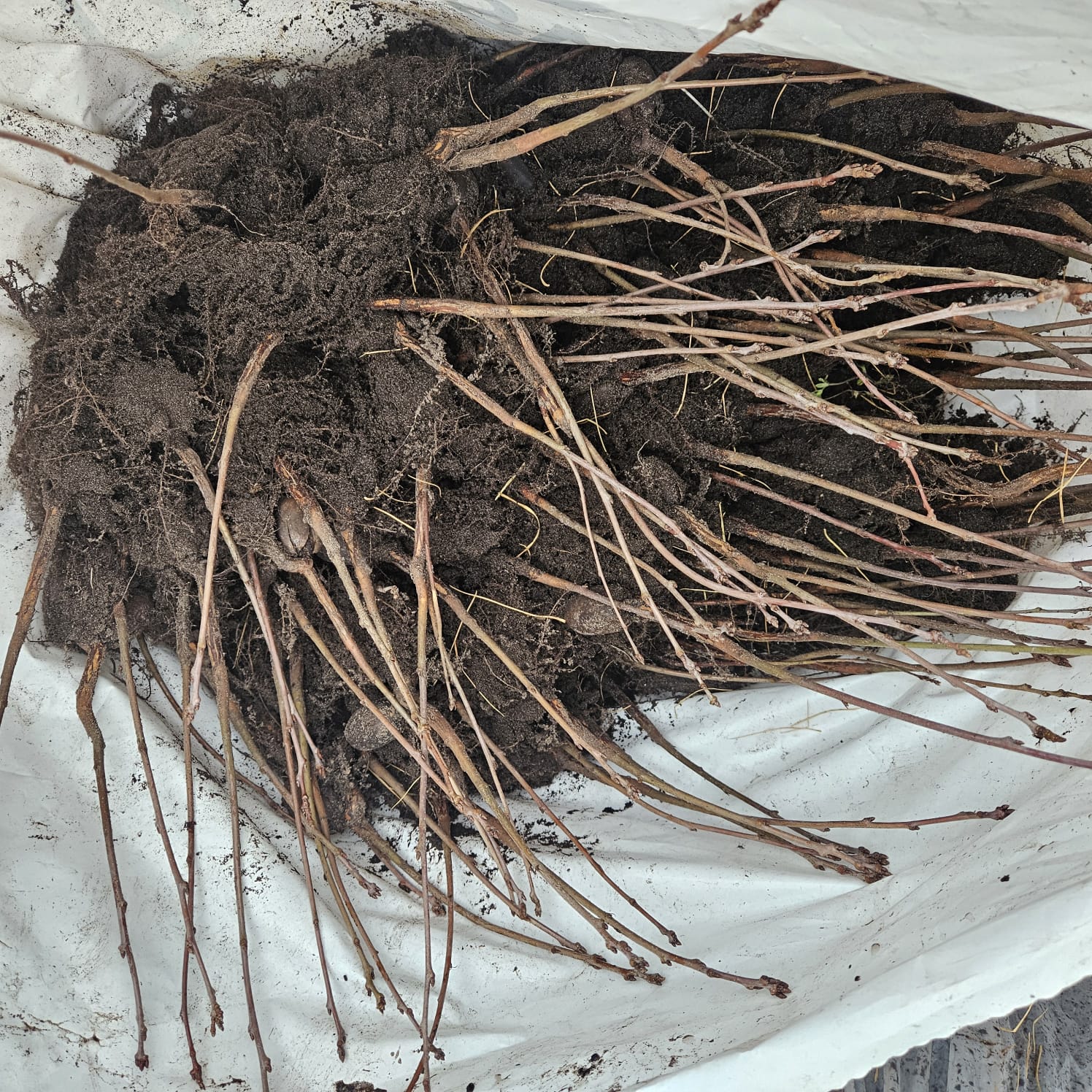
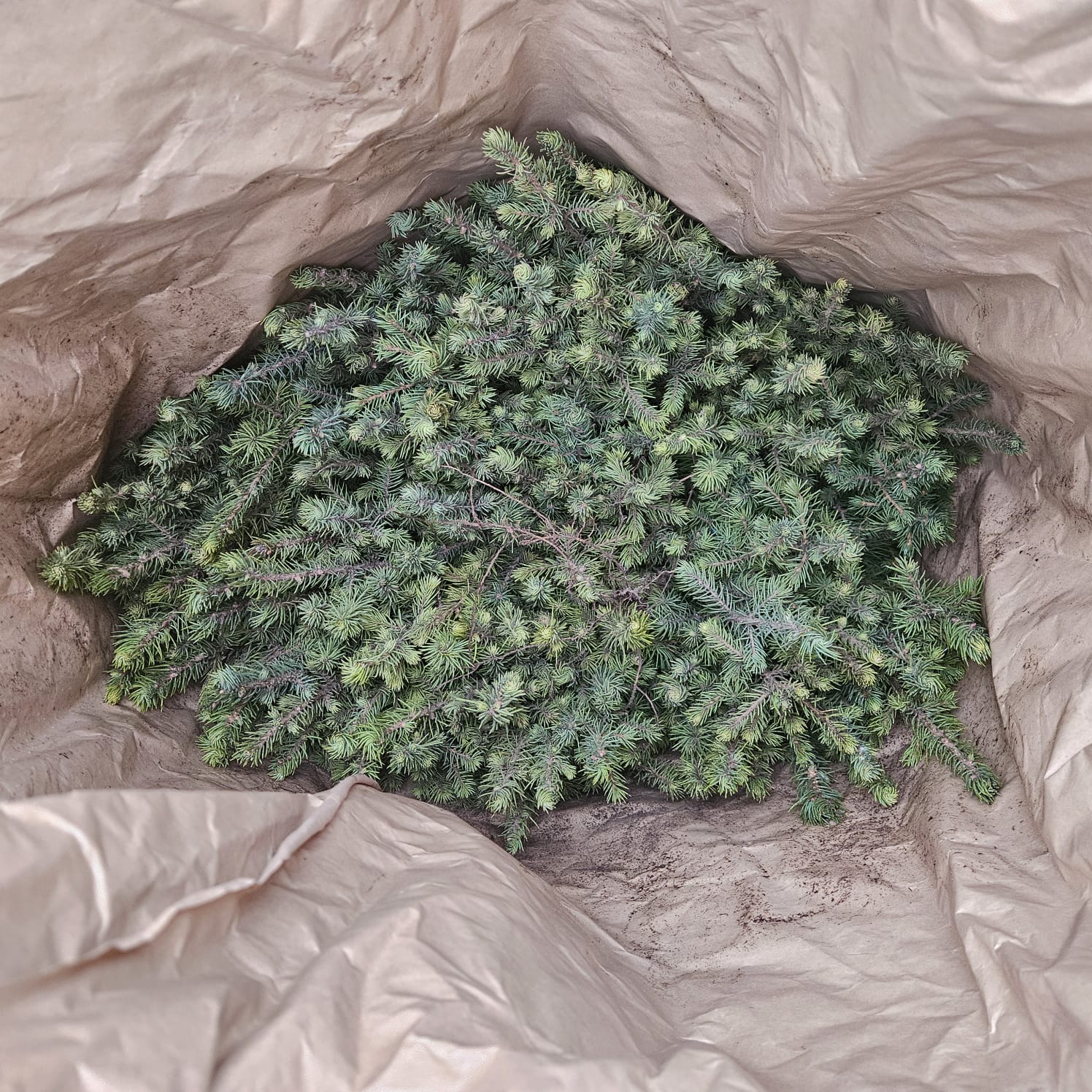
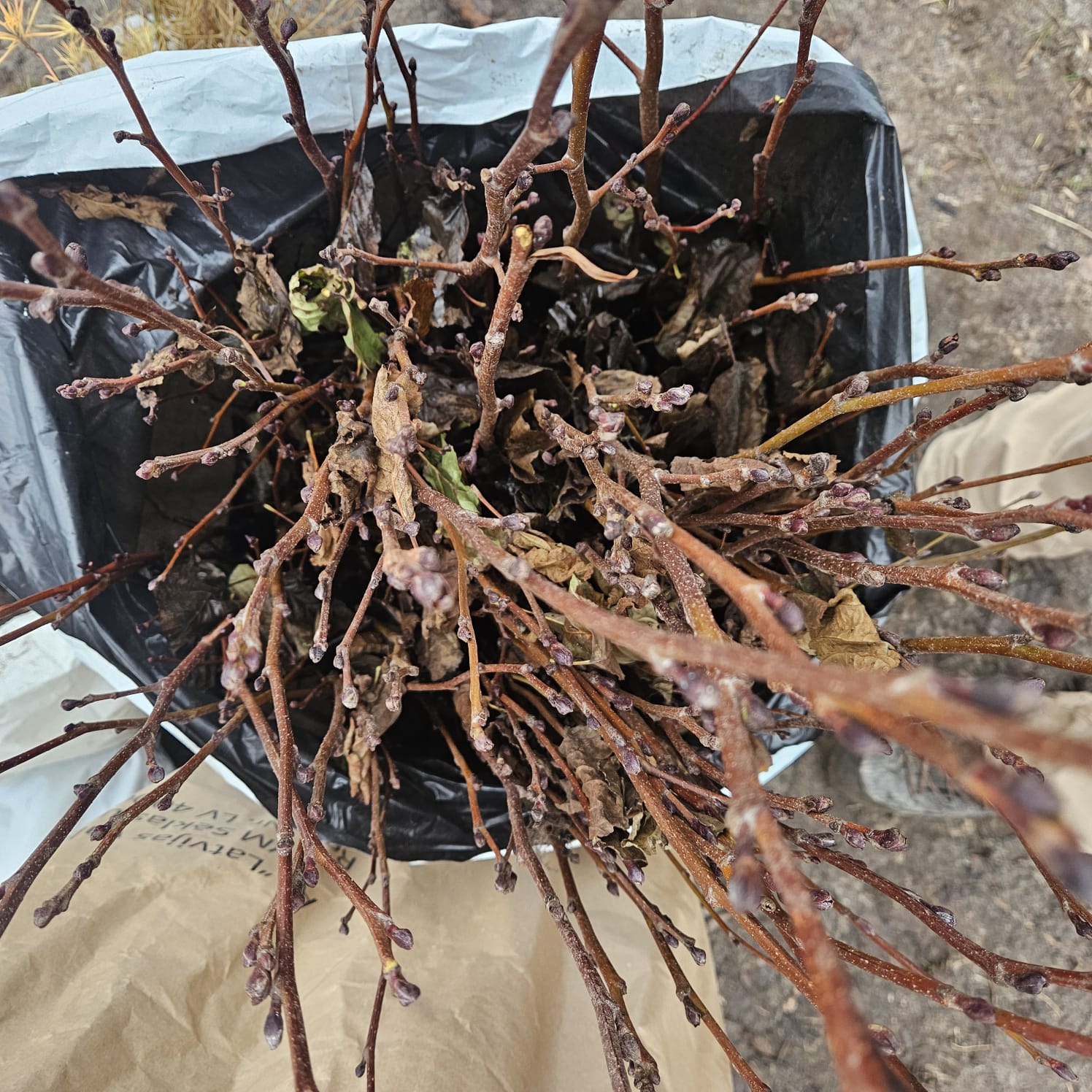
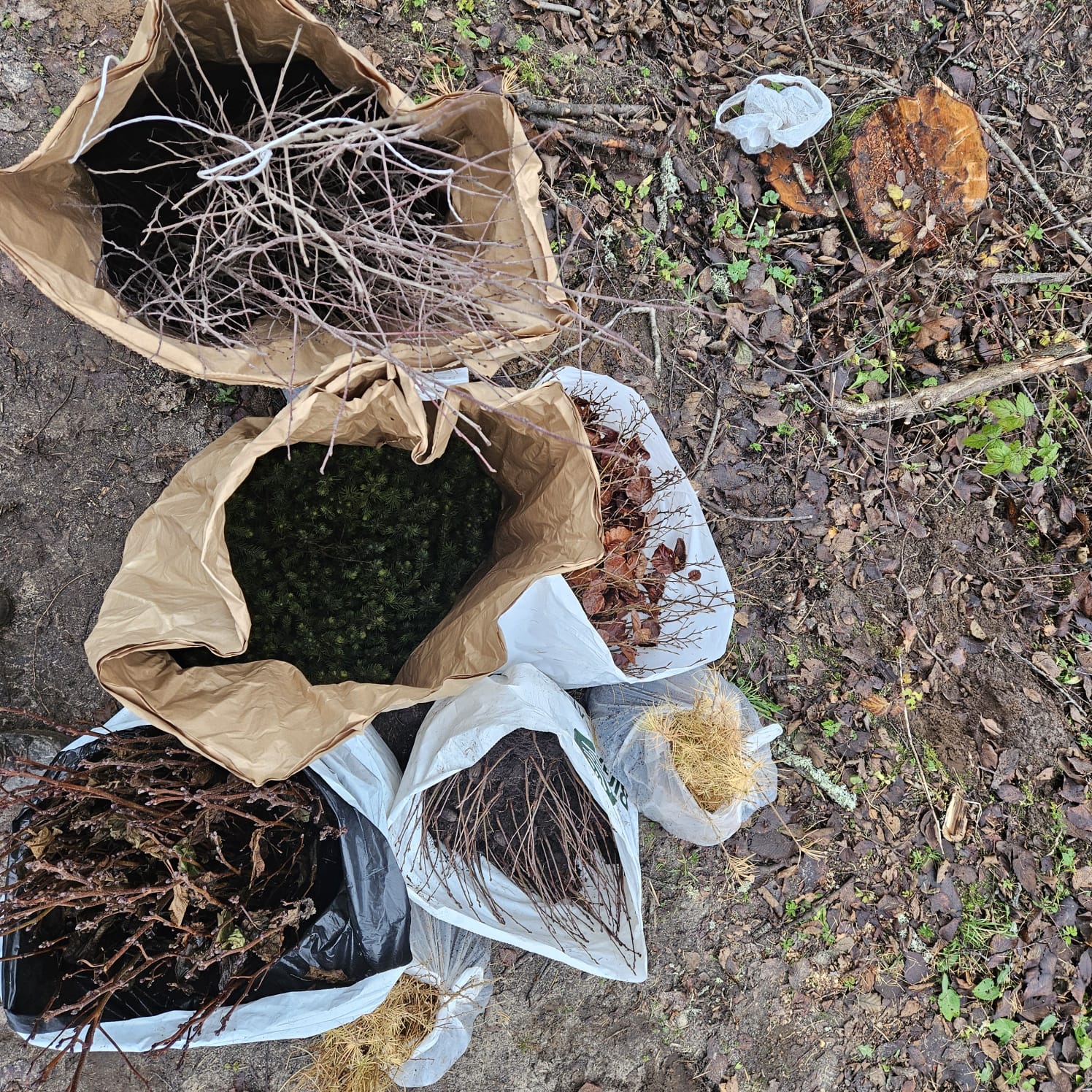
For restoring the riparian forest, Mārcis Saklaurs had prepared seedlings of larch, birch, oak, spruce, beech and black alder. They were planted in spots prepared by an excavator-mounted mounder. The weather was very favourable, and in three hours three pairs of planters planted more than 630 trees. After a good day’s work, the conclusion is clear – next spring we will come back to see how the trees we planted have taken root.
One of the aims of the LIFE IS SALACA project is to demonstrate a new approach to riparian forest management, nutrient retention and reducing eutrophication. This can be achieved by choosing the optimal tree species composition, which increases vegetation diversity, improves the quality of watercourses and provides suitable living conditions for the species living in and along the river.
Mārcis Saklaurs, the project’s lead riparian forest expert, is convinced: “If riverbanks are managed sensibly, rivers will become cleaner, the Baltic Sea will be cleaner too, and salmon will travel up the Salaca from the sea to Lake Burtnieks. The idea is simple and easy to understand, but putting it into practice means running into many different obstacles.”